Protein Greek Yogurt Pancakes (Quick & Fluffy)
There are plenty of high-protein breakfasts that look good on paper and disappoint on the plate. Protein greek yogurt pancakes are different when the recipe is built the right way. They can be soft, tender, and actually pancake-like instead of rubbery, chalky, or oddly flat. That is the sweet spot this version aims for.
These pancakes lean on Greek yogurt for moisture and tang, eggs for structure, oat flour for a cozy breakfast feel, and a moderate amount of protein powder so the batter stays fluffy instead of heavy. The result is quick enough for weekdays, satisfying enough for weekends, and practical enough to make ahead. If you prefer a version made without protein powder, try these fluffy Greek yogurt pancakes.
What is protein greek yogurt pancakes?
Protein greek yogurt pancakes are fluffy breakfast pancakes made with Greek yogurt and other protein-forward ingredients such as eggs and protein powder, giving them a higher protein profile than classic pancakes while still keeping the texture soft, tender, and easy to enjoy with real toppings.
If you are searching for an easy high-protein breakfast, better meal prep pancakes, or a Greek yogurt recipe that feels more comforting than clinical, this one fits that lane nicely. It works for busy mornings, make-ahead breakfasts, and those days when you want something warm and satisfying without drifting into a sugar-heavy breakfast.
Quick Wins / Why You’ll Love It
- The texture stays fluffy because the recipe uses enough lift and moisture, not just protein powder.
- Greek yogurt adds protein and tenderness, so the pancakes do not taste dry.
- The batter comes together fast and uses familiar breakfast ingredients.
- These reheat surprisingly well, which makes them useful for meal prep.
- They work with berries, banana, nut butter, or a simple drizzle of maple syrup.
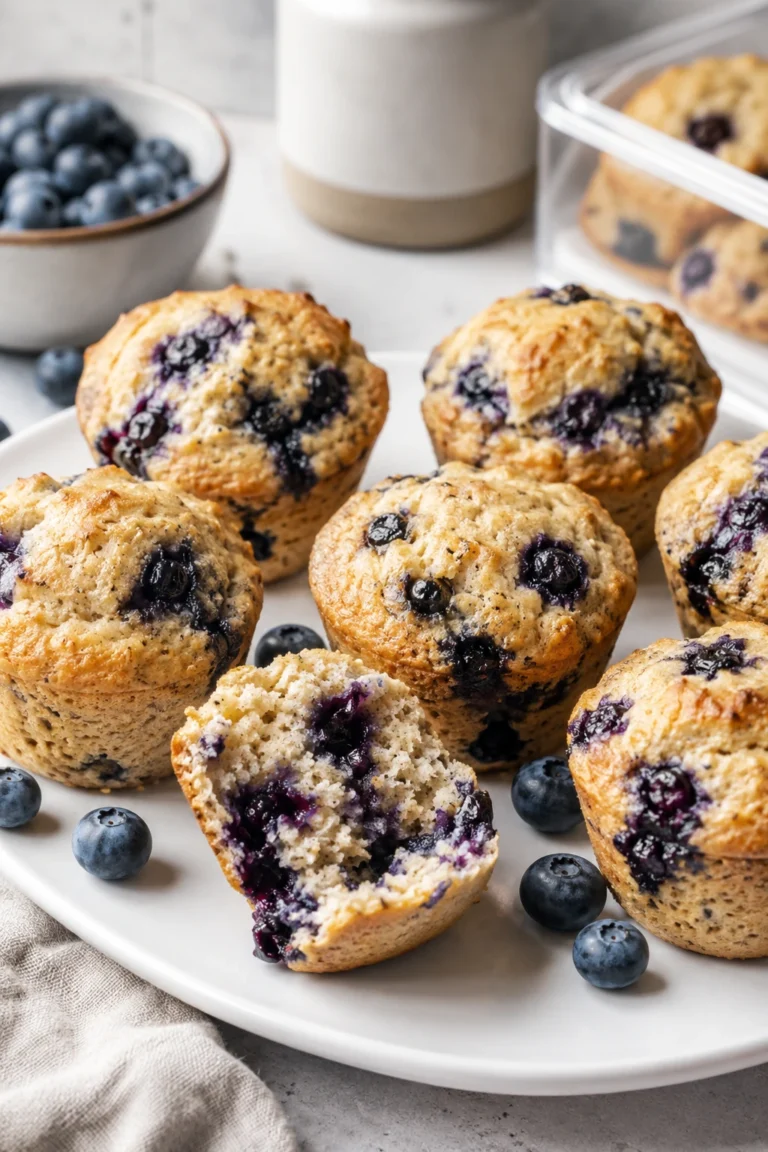
- If you like high-protein breakfast recipes that reheat well, my blueberry cottage cheese breakfast bake is another easy option for busy mornings.
- The flavor is mild and flexible, so you can keep them classic or make them more dessert-like.
- They feel substantial without turning into a heavy, overly dense breakfast.
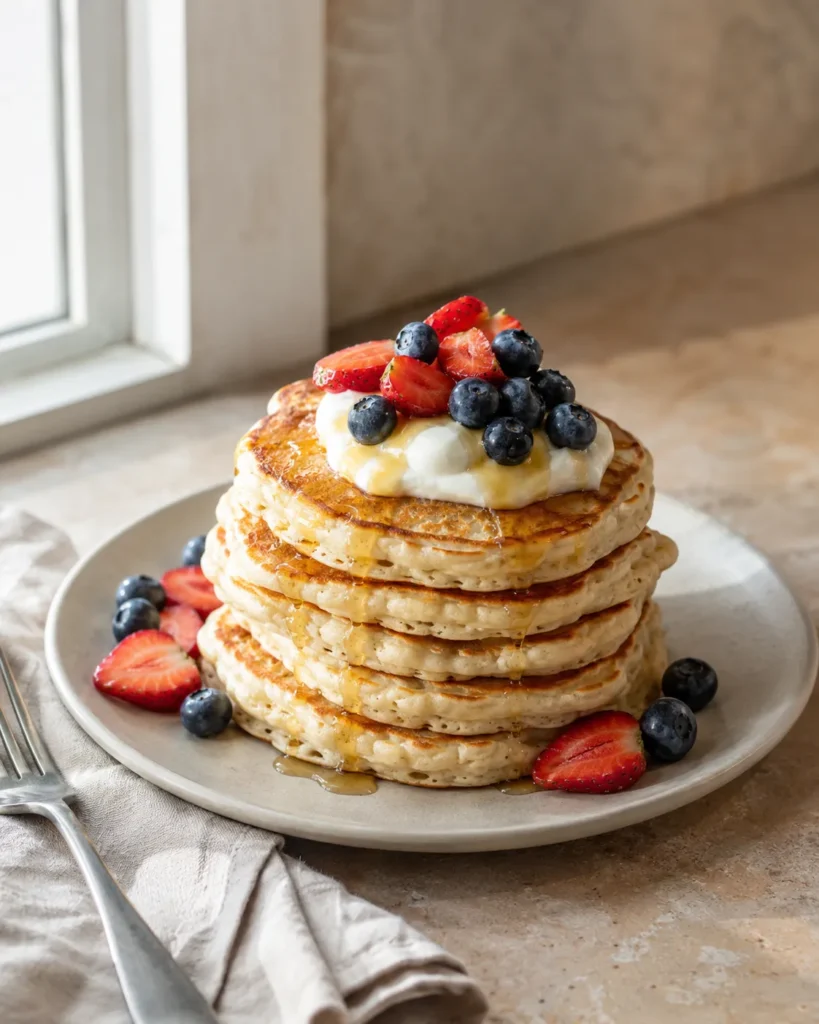
Why Protein Greek Yogurt Pancakes Work
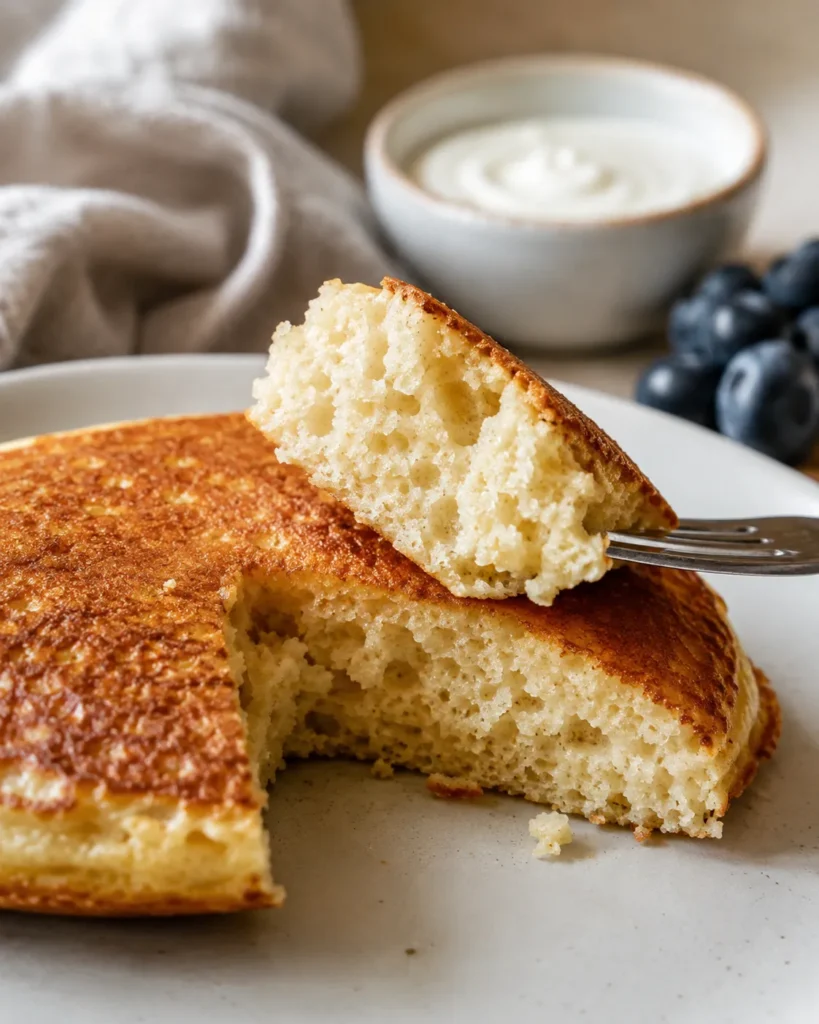
The biggest challenge with protein pancakes is balance. Too much protein powder and the texture turns tight. Too little moisture and the middle stays dry even if the outside looks done. This recipe works because the Greek yogurt does more than add protein. It also softens the batter, gives it body, and helps the finished pancakes stay tender.
There is also a texture advantage in keeping the flour base simple. Oat flour adds a cozy flavor and a little heartiness, but it is paired with enough Greek yogurt, eggs, and leavening to keep the crumb light. The protein element is present, but it does not dominate the entire bite.
Why This Works: You are not forcing all the protein into one ingredient. The total protein is shared across Greek yogurt, eggs, and protein powder, which keeps the pancakes much more pancake-like.
Texture Tip: Let the batter rest for 5 minutes before cooking. That short rest helps the oat flour hydrate and makes the batter more cohesive without becoming thick like paste.
What Makes Them High Protein
These pancakes earn the high-protein label in a believable way. Greek yogurt is the backbone here, bringing a meaningful protein boost while also improving tenderness. Eggs add more protein and help the pancakes set properly. A moderate amount of protein powder lifts the protein count again without taking over the batter.
That moderate approach matters. The goal is not to cram in as much protein powder as possible. The goal is to build a breakfast that tastes good enough to repeat. A pancake you enjoy every week will do more for your routine than one “macro hack” you make once and never crave again.
A serving lands at roughly 24 grams of protein per serving, estimated, depending on the Greek yogurt and protein powder you use. That is substantial for a pancake breakfast, especially when paired with extra yogurt or fruit on top.
Protein Upgrade: Add a spoonful of Greek yogurt on top instead of butter alone. It keeps the breakfast aligned with the recipe’s protein-first logic and tastes fresh against the warm pancakes.
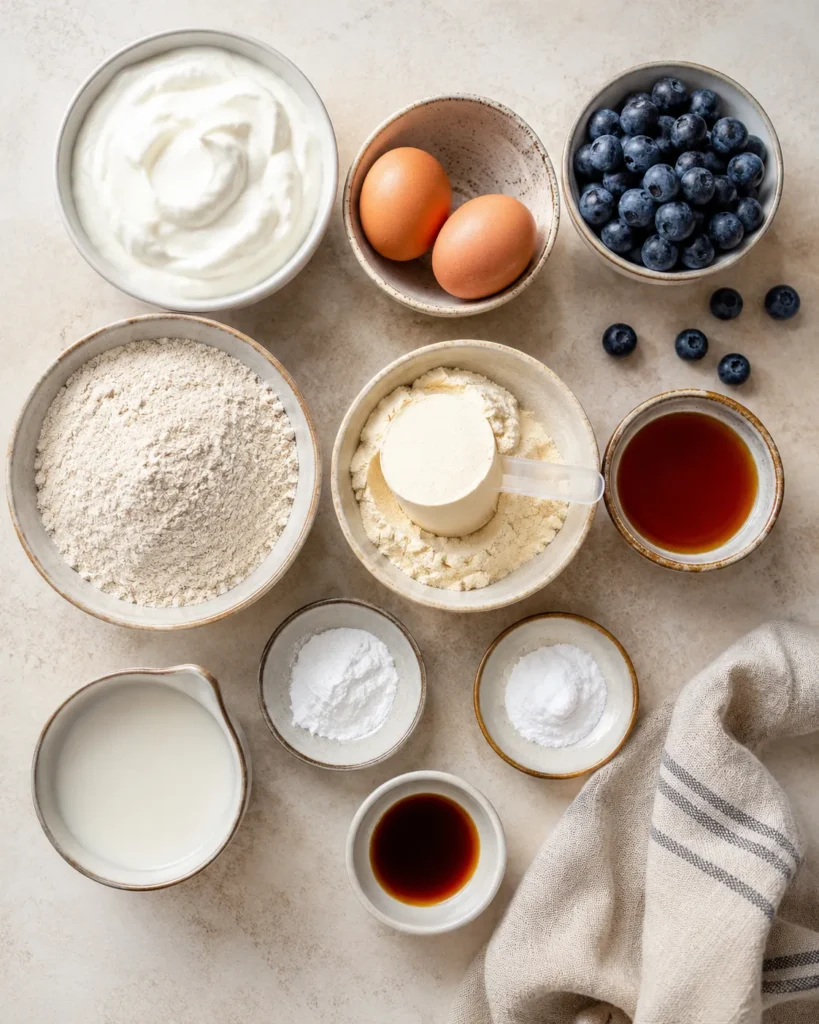
Ingredients for the Best Texture
For a pancake that feels quick but still turns out fluffy, use a short ingredient list with clear jobs.
Main Ingredients
- 1 cup plain Greek yogurt
- 2 large eggs
- 1 teaspoon vanilla extract
- 1 to 2 tablespoons maple syrup or honey
- 3/4 cup oat flour
- 1/3 cup vanilla or unflavored protein powder
- 1 teaspoon baking powder
- 1/2 teaspoon baking soda
- 1/4 teaspoon fine salt
- 2 to 4 tablespoons milk, as needed
- Butter or neutral oil for the pan
This combination gives you body, lift, and enough moisture to keep the texture pleasant. The batter should be thick but spoonable. If it looks like cookie dough, add a small splash of milk. If it is runny like crepe batter, it needs a little more oat flour.
Ingredient Notes
Greek yogurt: Plain, thick Greek yogurt works best. Nonfat, low-fat, or whole milk versions all work, but thicker yogurt generally gives better structure.
Protein powder: Vanilla whey-casein blends or standard whey work well. If your protein powder absorbs liquid aggressively, you may need the full 4 tablespoons of milk.
Oat flour: It keeps the pancakes soft and slightly hearty without making them too heavy. Store-bought oat flour gives the most consistent texture, but blended rolled oats can work.
Sweetener: Keep it modest. These pancakes do not need much sweetness in the batter if you are serving them with fruit or syrup.
Ingredient Notes, Swaps, and Add-Ins
A good protein pancake recipe should be flexible, but not so flexible that it loses structure. A few swaps work especially well here.
For a cozy baked breakfast, try my high protein blueberry biscuits when you want something soft, warm, and easy to serve.
If you do not have oat flour, you can use finely blended rolled oats. The texture may be slightly more rustic, but still good. If you are using unflavored protein powder, add a little extra vanilla and a touch more sweetener so the flavor stays rounded.
Greek yogurt can be swapped between nonfat and whole milk versions. Whole milk Greek yogurt gives a slightly richer result. Nonfat Greek yogurt keeps the flavor tangier and a little lighter. Both are valid.
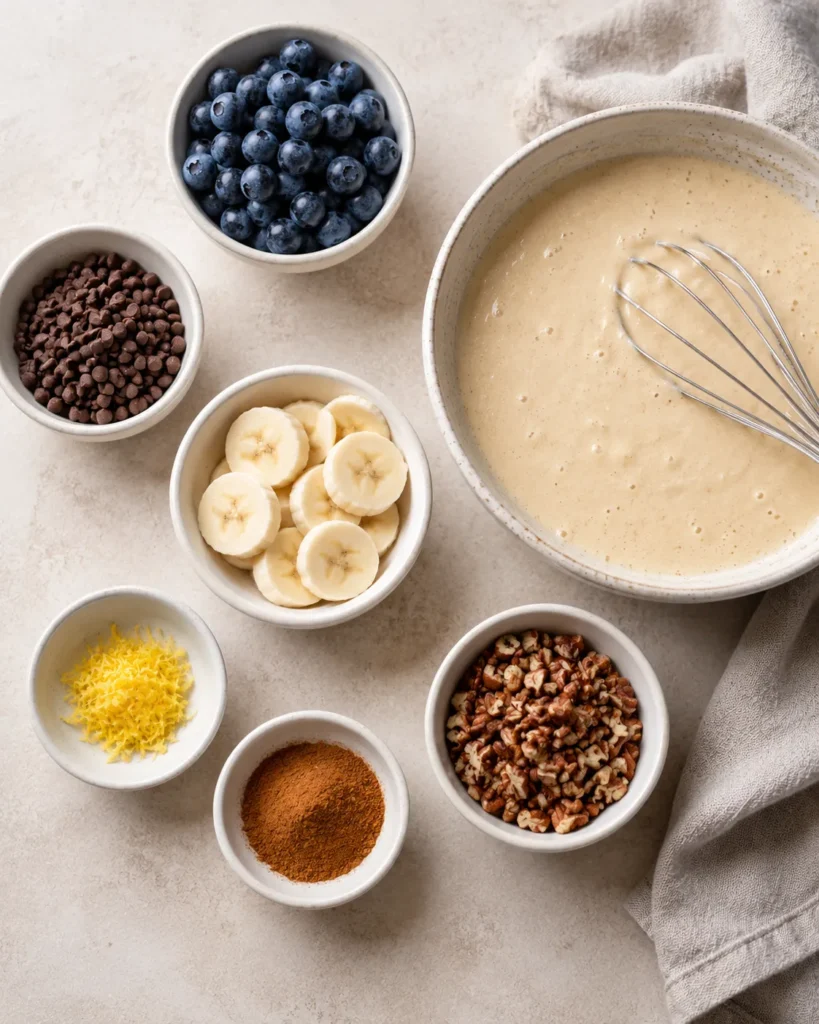
For mix-ins, keep them controlled. Too many heavy add-ins can drag the pancakes down.
Good Add-Ins
- blueberries
- mini chocolate chips
- cinnamon
- lemon zest
- mashed banana in a small amount
- chopped toasted pecans after cooking
- spoonful of nut butter on top rather than in the batter
Common Mistake: Stirring a large amount of fruit directly into a thick batter can make pancakes cook unevenly. It is often better to scatter berries onto the pancakes once they hit the pan.
How to Make Protein Greek Yogurt Pancakes
This recipe is straightforward, but a few technique details make a big difference. For food safety, cook pancake batter with eggs until it is fully set, and review the safe minimum internal temperature chart for egg dishes when needed.
Step 1: Whisk the wet ingredients
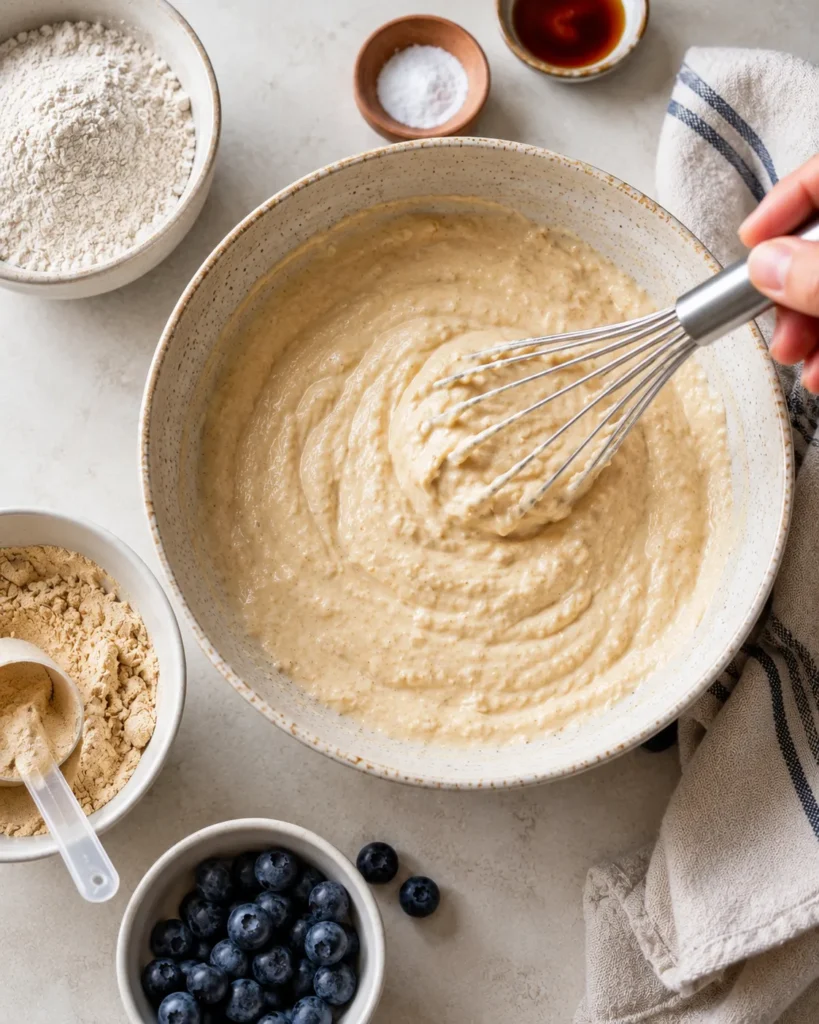
In a medium bowl, whisk together the Greek yogurt, eggs, vanilla, and maple syrup until mostly smooth. A few tiny yogurt lumps are fine.
Step 2: Add the dry ingredients
Sprinkle in the oat flour, protein powder, baking powder, baking soda, and salt. Stir gently until no dry streaks remain.
Step 3: Adjust the consistency
Add 2 tablespoons of milk and fold again. If the batter still looks too thick to scoop and spread slightly on its own, add another 1 to 2 tablespoons. The batter should be thick, but not stiff.
Step 4: Let the batter rest
Set it aside for 5 minutes. This helps the oat flour hydrate and allows the leavening to start working.
Step 5: Heat the pan correctly
Warm a nonstick skillet or griddle over medium-low to medium heat. Lightly grease with butter or oil. If the pan is too hot, the outsides brown before the centers cook through.
Step 6: Cook in small rounds
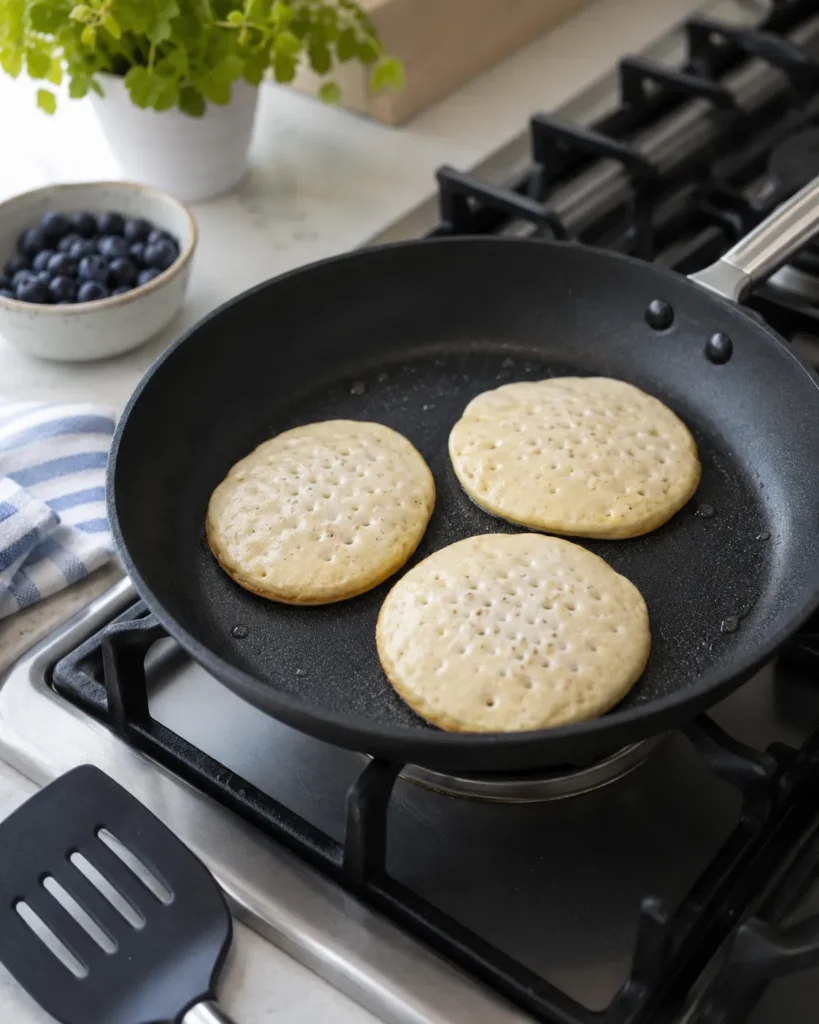
Use about 1/4 cup batter per pancake. Gently spread only if needed. Cook until you see bubbles on top and the edges begin to look set, about 2 to 3 minutes.
Step 7: Flip once and finish
Flip carefully and cook the second side for 1 to 2 minutes more. The pancakes should feel springy, not wet in the center. Transfer to a warm plate and repeat with the rest of the batter.
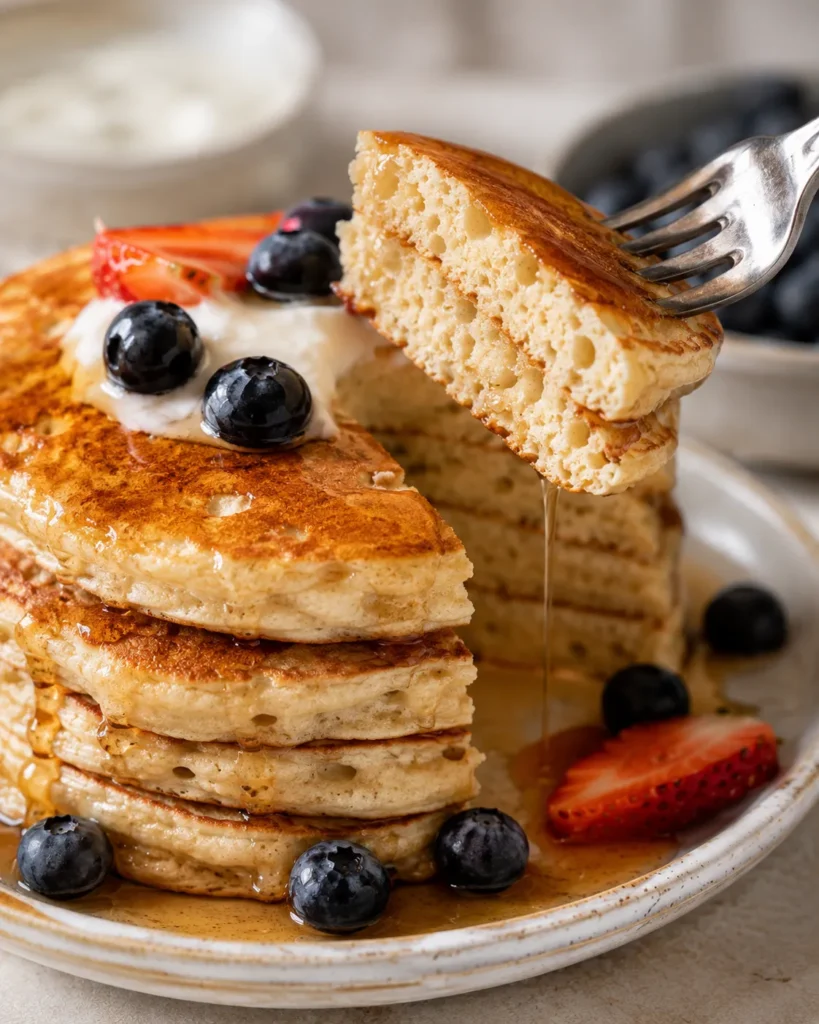
Beginner-Friendly Tip: Make the first pancake a test pancake. It will tell you whether the batter needs a splash more milk or whether the pan needs to be turned slightly down.
Serving Ideas That Keep Breakfast Balanced
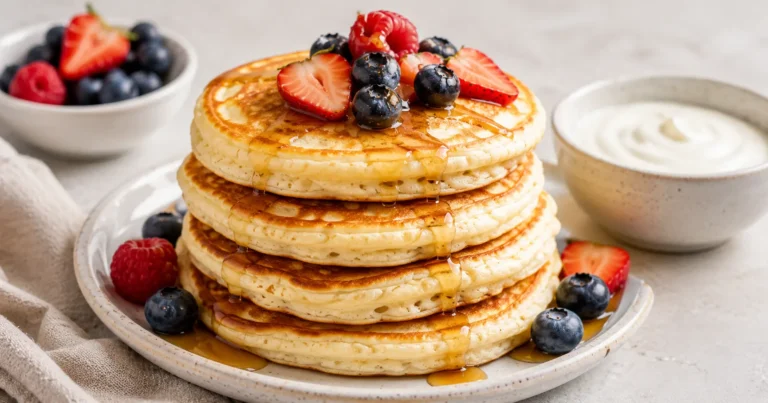
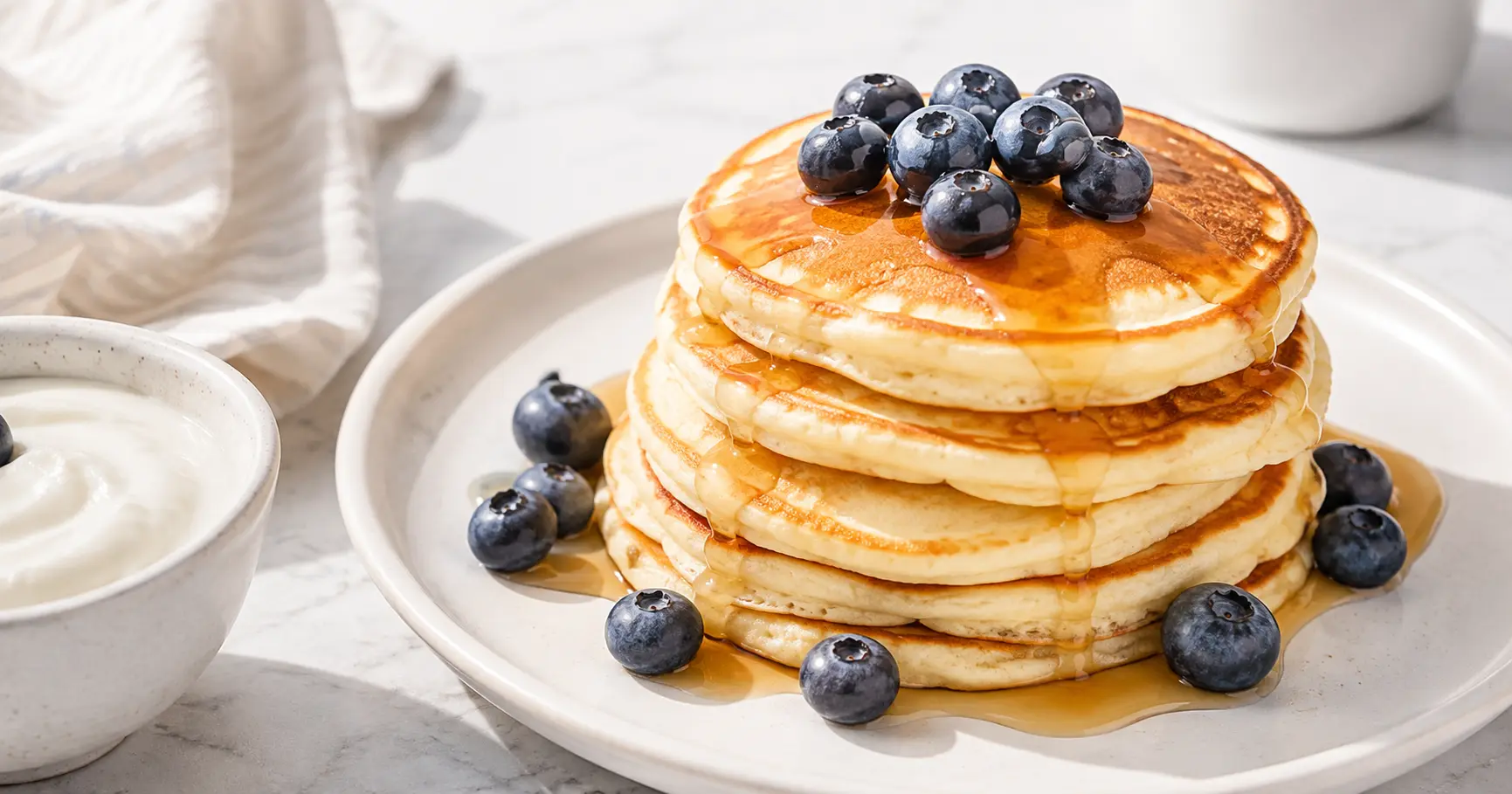
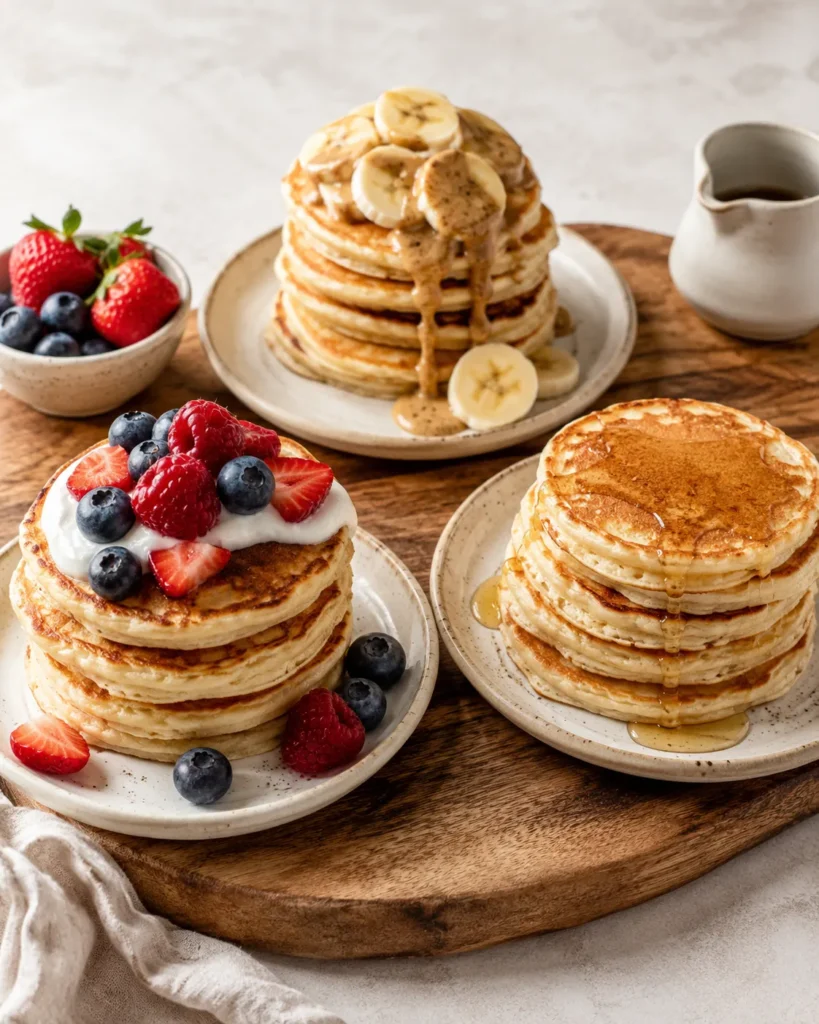
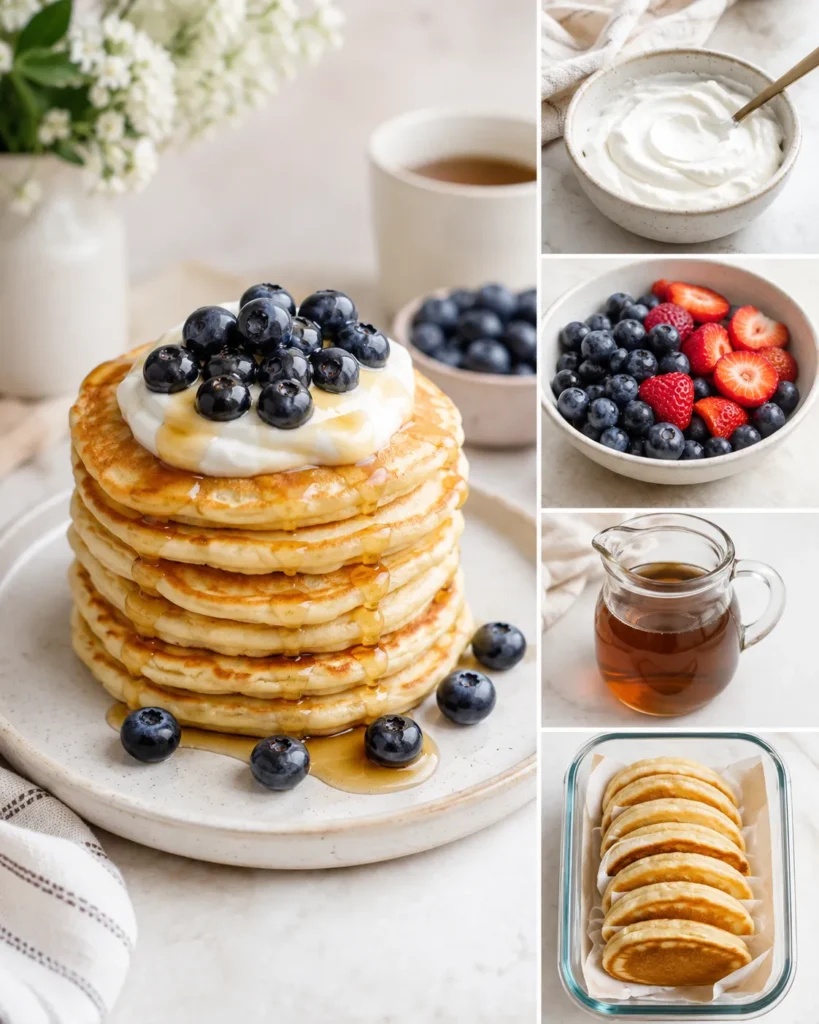
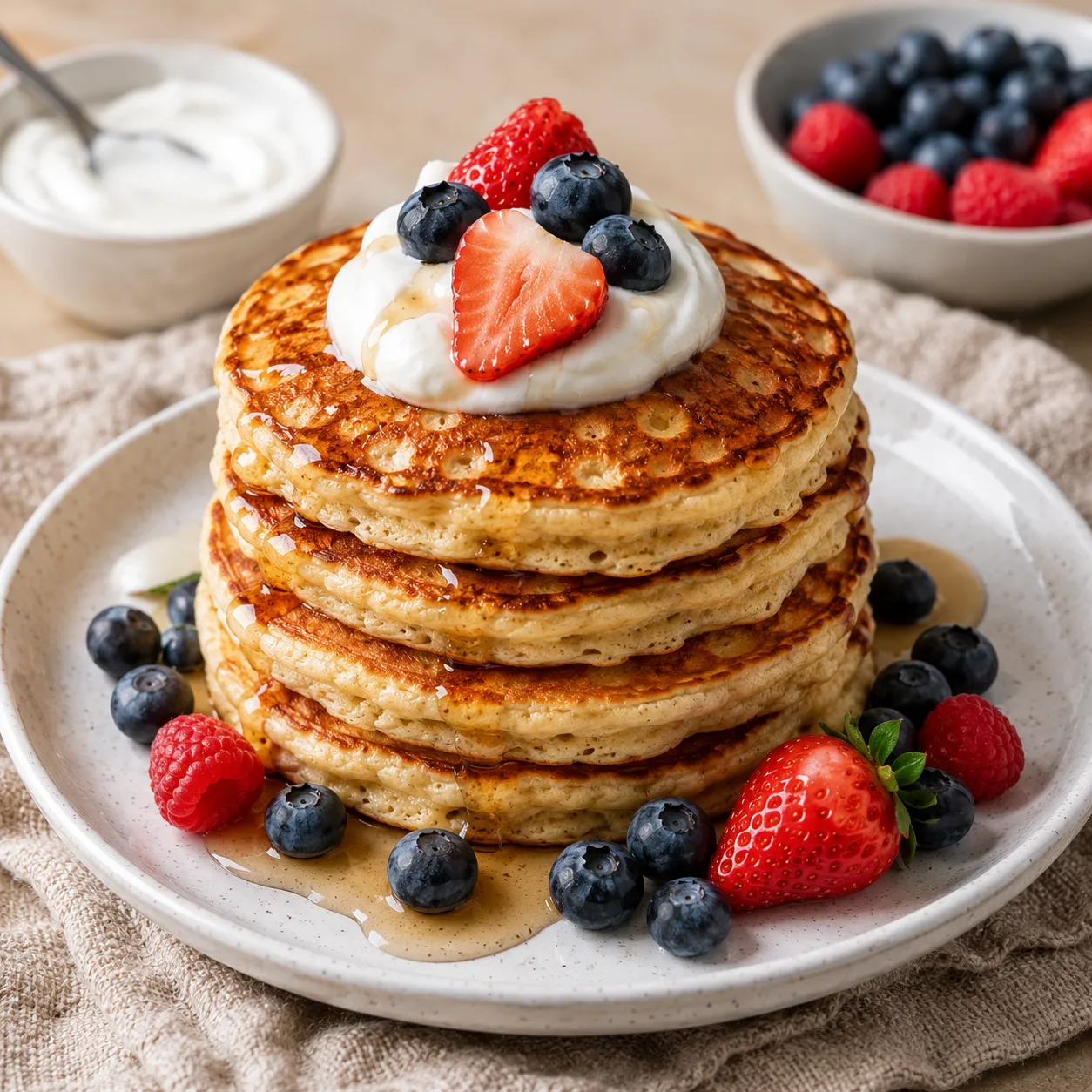
These pancakes are easy to dress up, but the best toppings are the ones that help rather than overwhelm. A dollop of Greek yogurt, fresh berries, and a little maple syrup is the cleanest route. It keeps the pancakes feeling bright and breakfast-friendly.
For a more filling plate, add sliced banana and a spoon of almond or peanut butter. That combination makes the breakfast feel more substantial, especially if you are serving it after a workout or stretching it into brunch. If you want something lighter, warm berries alone can be enough.
Flavor Boost: A little lemon zest in the batter and blueberries on top gives the whole plate a fresh, almost bakery-style feel.
Meal Prep, Storage, and Reheating
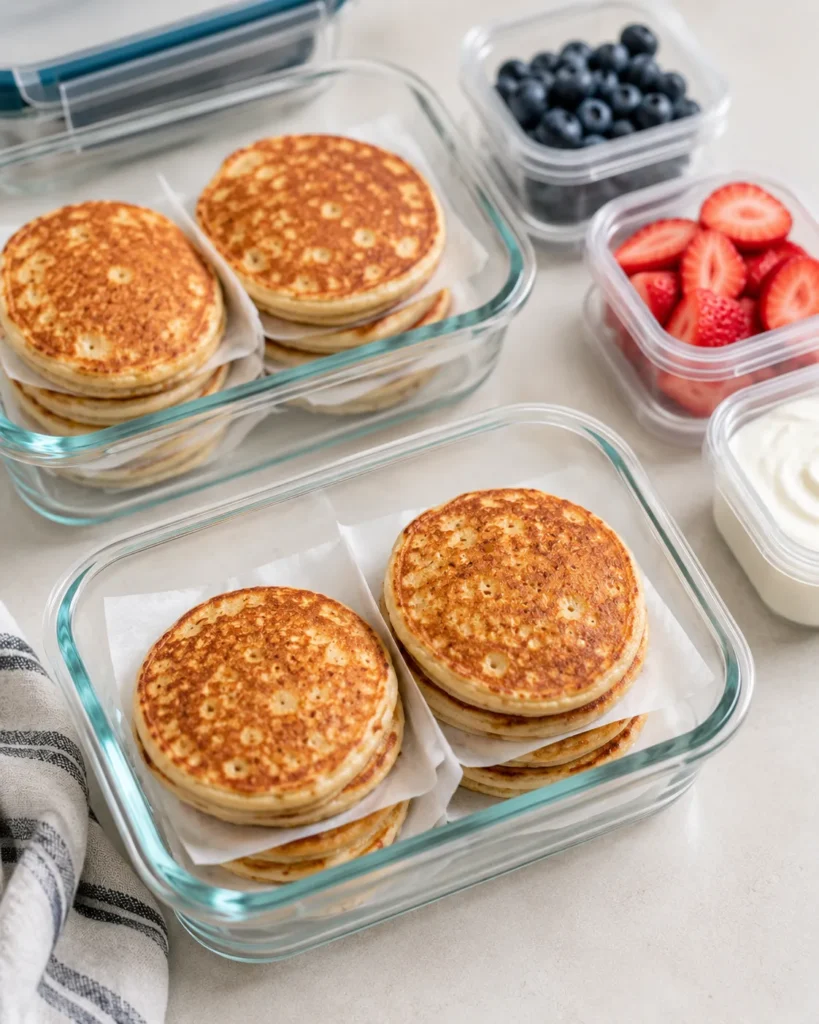
These pancakes are genuinely meal-prep friendly, which is not always true of protein-based breakfasts. Once cooled, stack them with small sheets of parchment between layers and store them in the fridge for up to 4 days.
To reheat, use a toaster oven, skillet, or microwave. A skillet or toaster oven gives the best texture, especially if you want the outside to feel lightly crisp again. The microwave is fastest, though, and works well for busy mornings if you avoid overheating them.
For another easy make-ahead breakfast, try my brown sugar overnight oats when you want something creamy, simple, and high-protein.
For freezing, lay the cooled pancakes on a tray first so they firm up individually, then transfer them to a freezer-safe bag or container. Reheat straight from frozen in the toaster oven or microwave.
Meal-Prep Note: Keep toppings separate. Pancakes store better when the syrup, fruit, and extra yogurt are added right before serving.
Common Mistakes That Make Protein Pancakes Dense
The first mistake is using too much protein powder. It is tempting, especially when chasing a higher number, but too much powder can make the pancakes dry and tight. The second mistake is cooking them over heat that is too high. Protein-rich batters brown quickly, so you need a little patience.
Another common issue is overmixing. Once the dry ingredients disappear, stop stirring. Overworked batter loses tenderness. Finally, do not skip the rest time. Even five minutes improves the batter and makes the pancakes easier to cook evenly.
Common Mistake: Pressing down on pancakes after flipping. That pushes out air and works directly against the fluffy texture you are trying to keep.
Easy Variations to Keep Them Interesting
Once you like the base recipe, it becomes easy to rotate flavors without needing a totally new breakfast plan.
For a fruity version, try my Greek yogurt blueberry pancakes when you want the same fluffy texture with juicy berries.
Blueberry version: Scatter berries onto the uncooked side once the batter hits the pan. This keeps the batter from turning purple and watery.
Chocolate chip version: Use mini chocolate chips in a light hand and top with extra Greek yogurt for a dessert-meets-breakfast feel.
Banana cinnamon version: Add a few tablespoons of mashed banana and a pinch of cinnamon for a softer, slightly sweeter pancake.
Lemon berry version: Add lemon zest to the batter and serve with blueberries or raspberries.
Plain meal-prep version: Keep the batter simple and let the toppings change day by day. This is often the most practical option.
Recipe at a Glance
Protein Boost Checklist
- Greek yogurt adds moisture and real protein
- Eggs improve structure and increase staying power
- Protein powder boosts protein without replacing every other ingredient
- Oat flour keeps the texture soft and breakfast-friendly
- Extra yogurt on top adds more protein without much extra work
Best Texture Rules
- Keep the batter thick but spoonable
- Rest the batter for 5 minutes
- Cook over medium-low to medium heat
- Flip only once
- Do not press the pancakes after flipping
Best Meal Prep Plan
- Make a double batch on Sunday
- Cool completely before storing
- Stack with parchment between layers
- Keep fruit and syrup separate
- Reheat only what you need
Protein Greek Yogurt Pancakes
Ingredients
Equipment
Method
- In a large bowl, whisk together oat flour, all-purpose flour, baking powder, baking soda, salt, and cinnamon.
- In a separate bowl, whisk Greek yogurt, eggs, milk, maple syrup, vanilla extract, and melted butter or oil until smooth.
- Pour the wet ingredients into the dry ingredients and stir gently until just combined.
- Let the batter rest for 5 minutes so the pancakes become softer and fluffier.
- Heat a nonstick skillet or griddle over medium heat and lightly grease it with butter or oil.
- Pour small portions of batter onto the skillet and cook until bubbles appear on top and the edges look set.
- Flip carefully and cook the other side until golden brown and cooked through.
- Repeat with the remaining batter, adding more butter or oil to the pan as needed.
- Serve warm with Greek yogurt, fresh berries, and maple syrup.
Notes
u003cstrongu003eCan I make protein Greek yogurt pancakes without protein powder?u003c/strongu003e
Yes. You can replace the protein powder with a little extra oat flour, though the protein per serving will drop. The texture can still be very good because Greek yogurt and eggs already give the pancakes structure and tenderness.
u003cstrongu003eWhy are my protein pancakes rubbery?u003c/strongu003e
Usually it is one of three things: too much protein powder, overmixing, or cooking over heat that is too high. Protein-rich batters need a lighter hand and a gentler pan temperature than many people expect.
u003cstrongu003eCan I use blended oats instead of oat flour?u003c/strongu003e
Yes. Blend rolled oats until fine and use them in place of oat flour. The texture may be a little more rustic, but it still works well, especially for a casual breakfast or meal prep batch.
u003cstrongu003eWhat kind of Greek yogurt works best?u003c/strongu003e
Plain thick Greek yogurt works best. Nonfat is great if you want a lighter result, while whole milk Greek yogurt gives a slightly richer pancake. The main thing is using a yogurt that is not too thin.
u003cstrongu003eCan I freeze these pancakes?u003c/strongu003e
Yes. Cool them fully, freeze in a single layer first if possible, then store them stacked with parchment between layers. Reheat from frozen in a toaster oven or microwave until warmed through.
u003cstrongu003eAre these good for meal prep?u003c/strongu003e
They are one of the better protein breakfasts for meal prep because they hold their shape, reheat well, and do not depend on delicate textures. Just store the toppings separately so the pancakes do not get soggy.
u003cstrongu003eCan I add blueberries directly to the batter?u003c/strongu003e
You can, but it is often better to place them onto the pancakes once the batter is already in the pan. That gives you better distribution and helps keep the batter from becoming streaky or too wet.
Recipe Notes
Use a nonstick skillet if possible. Protein-forward batter is less forgiving than classic pancake batter, and easy release helps a lot.
If you are working with a very absorbent protein powder, add milk gradually and judge the batter by feel, not by a fixed number alone.
For food safety and better texture, cool leftovers before storing, refrigerate promptly, and reheat only until warmed through. If serving these for guests, the safest move is to keep finished pancakes warm in a low oven rather than letting them sit out for too long.
Final Thoughts
When you want a breakfast that feels warm, familiar, and genuinely useful, protein Greek yogurt pancakes are hard to beat. They are quick enough for busy mornings, fluffy enough to make again, and practical enough to keep in your regular breakfast rotation.