High Protein Vegan Mac and Cheese: 7 Easy Dairy-Free Tips
When you want comfort food that still feels aligned with your goals, high protein vegan mac and cheese is one of the smartest recipes to keep in rotation. It gives you the creamy, cozy payoff people actually want from mac and cheese, but it does it with plant-based protein, a silky dairy-free sauce, and weeknight-friendly ingredients that do not feel fussy.
This version is built to solve the two biggest problems with vegan mac and cheese. First, a lot of dairy-free sauces taste thin, flat, or overly nutty. Second, a lot of “high-protein” versions feel like a compromise instead of a real comfort meal. Here, protein pasta, silken tofu, white beans, soy milk, and nutritional yeast work together to create a bowl that is creamy, cheesy, and genuinely satisfying.
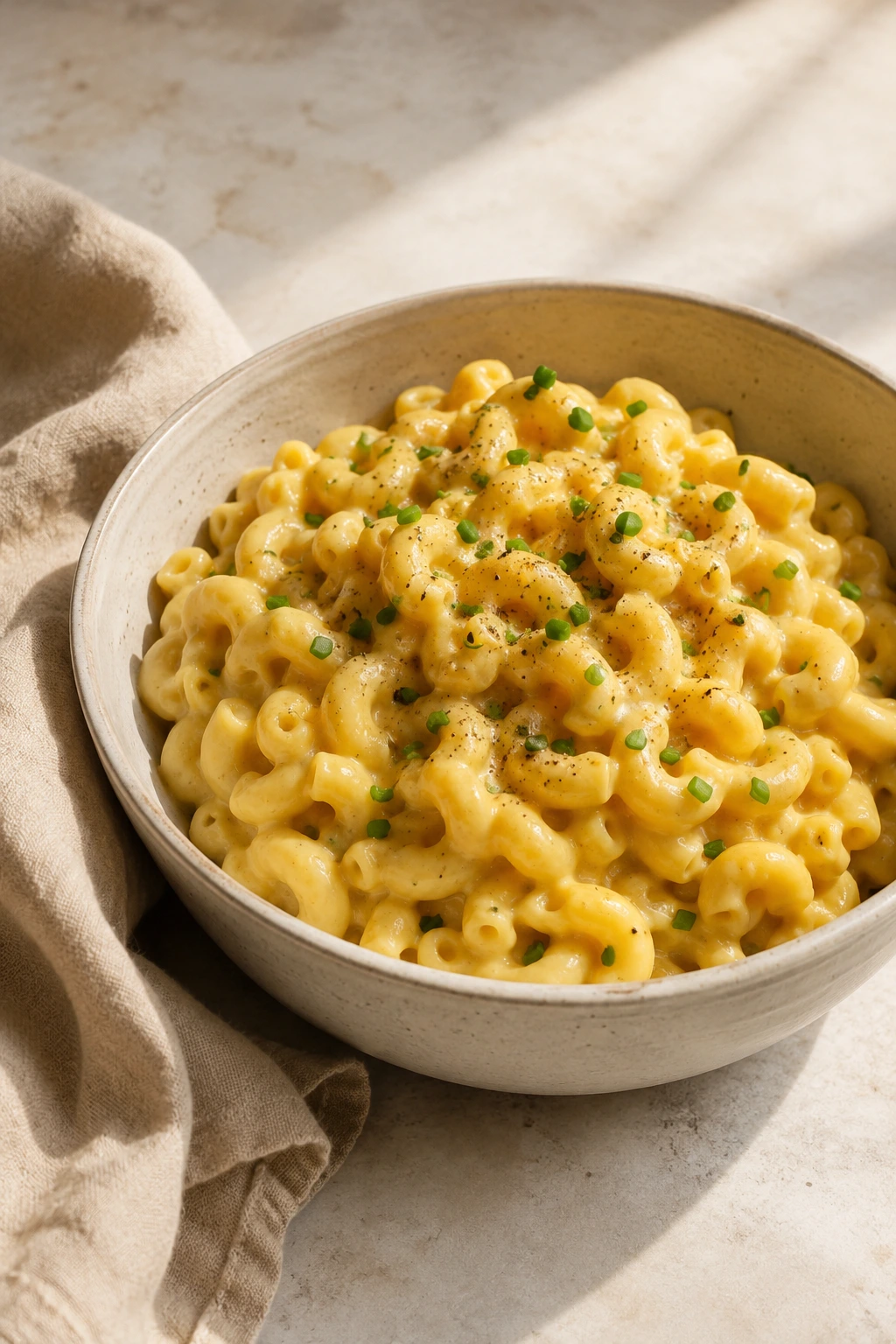
This high protein vegan mac and cheese is made for busy nights when you want creamy comfort food with a stronger plant-based protein base.
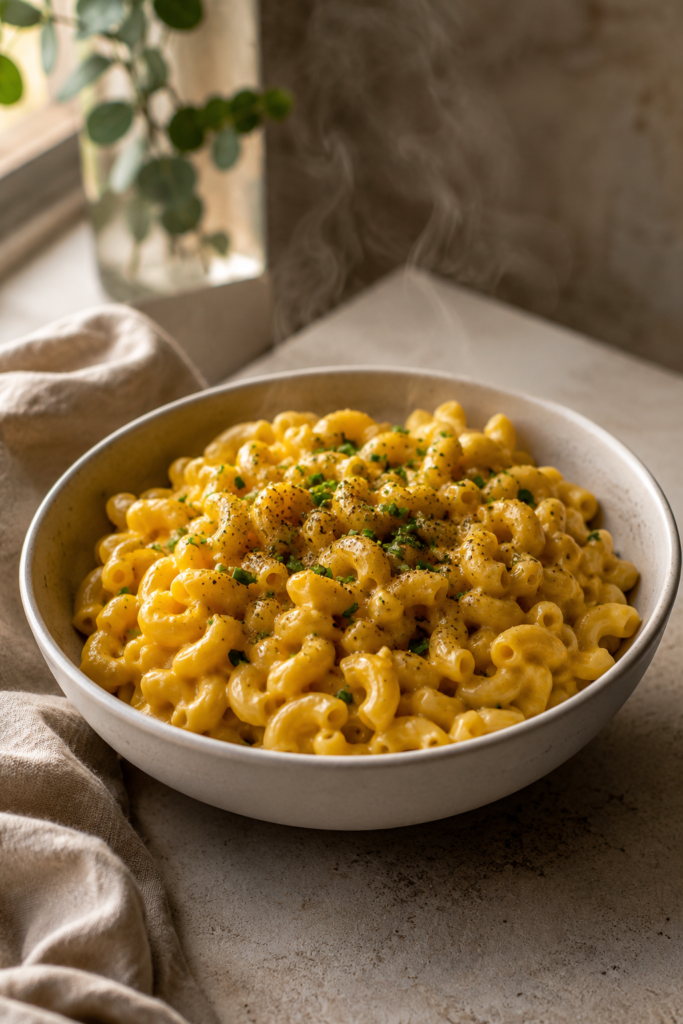
What Is High Protein Vegan Mac and Cheese?
High protein vegan mac and cheese is a dairy-free macaroni dish designed to deliver more protein than traditional vegan mac by using higher-protein ingredients in both the pasta and the sauce. In this version, protein pasta, silken tofu, white beans, soy milk, and nutritional yeast create a creamy stovetop mac that feels comforting without leaning on dairy.
It also fits naturally into nearby searches like vegan comfort food, easy high-protein dinners, dairy-free pasta recipes, meal-prep vegan lunches, and protein pasta dinners. The goal is not simply to make mac and cheese vegan. It is to make it creamy enough to crave and substantial enough to count as a full meal.
For another creamy protein pasta dinner, try my creamy protein packed pasta bowl when you want a non-vegan option with chicken and a smooth high-protein sauce.
Affiliate Disclosure: This post may contain affiliate links. If you buy through these links, we may earn a small commission at no extra cost to you. We only recommend products and tools that fit our recipes and help readers make healthier meals at home.
Why You’ll Love It
- Creamy and cheesy without dairy, cashew soaking, or a long ingredient list
- Built with layered plant protein from protein pasta, tofu, beans, soy milk, and nutritional yeast
- Fast enough for a weeknight but satisfying enough for comfort-food cravings
- Easy to customize with broccoli, peas, mushrooms, or edamame
- Better for meal prep than many vegan cheese sauces because the texture stays more stable
- A smart way to make vegan mac and cheese feel like a full dinner instead of just a side
- Rich enough to feel indulgent, but still practical and ingredient-driven
- This high protein vegan mac and cheese works because it tastes creamy and cozy without depending on dairy or heavy cream.
- The best part of this high protein vegan mac and cheese is that it gives you comfort-food texture without needing dairy, heavy cream, or complicated prep.
Why This High Protein Vegan Mac and Cheese Works
The sauce is the whole story here.
Traditional vegan mac and cheese often leans heavily on soaked cashews, potatoes, or carrots. Those versions can absolutely work, but they are not always the easiest choice when you want a faster dinner with a stronger protein profile. This recipe takes a different path. Silken tofu gives the sauce a smooth, creamy body. White beans add thickness and a softer, more comforting texture. Nutritional yeast builds that savory cheese-adjacent flavor, while soy milk keeps everything loose enough to coat the pasta properly.
White miso and Dijon mustard matter more than they look on paper. They do not make the sauce taste like miso soup or mustard. Instead, they add the kind of depth and sharpness that makes the whole bowl feel more “mac and cheese” and less like blended pasta sauce.
Then there is the pasta water. That last splash turns the sauce glossy and helps it cling to every elbow instead of sitting in a thick layer. It is a small step, but it changes the result from dense to creamy.
What Makes It High Protein
This is not a recipe that becomes “high protein” because of one ingredient doing all the work. The protein is layered on purpose. That layered protein base is what makes this high protein vegan mac and cheese more satisfying than a regular dairy-free pasta bowl.
Protein pasta gives the bowl a stronger base than standard macaroni. Silken tofu makes the sauce creamy while also contributing plant protein. White beans help with body and add more staying power. Unsweetened soy milk is also more helpful here than lower-protein plant milks like almond milk, because it supports both texture and protein.
Depending on the pasta brand you use, this recipe usually lands around 24 to 28 grams of protein per serving as an estimate. That is enough to make the title honest while still keeping the dish squarely in comfort-food territory.
If you want to push the protein a little further, add shelled edamame, stir in peas and hemp hearts, or use the highest-protein pasta brand you like best. The core recipe is already strong, but those little upgrades fit naturally.
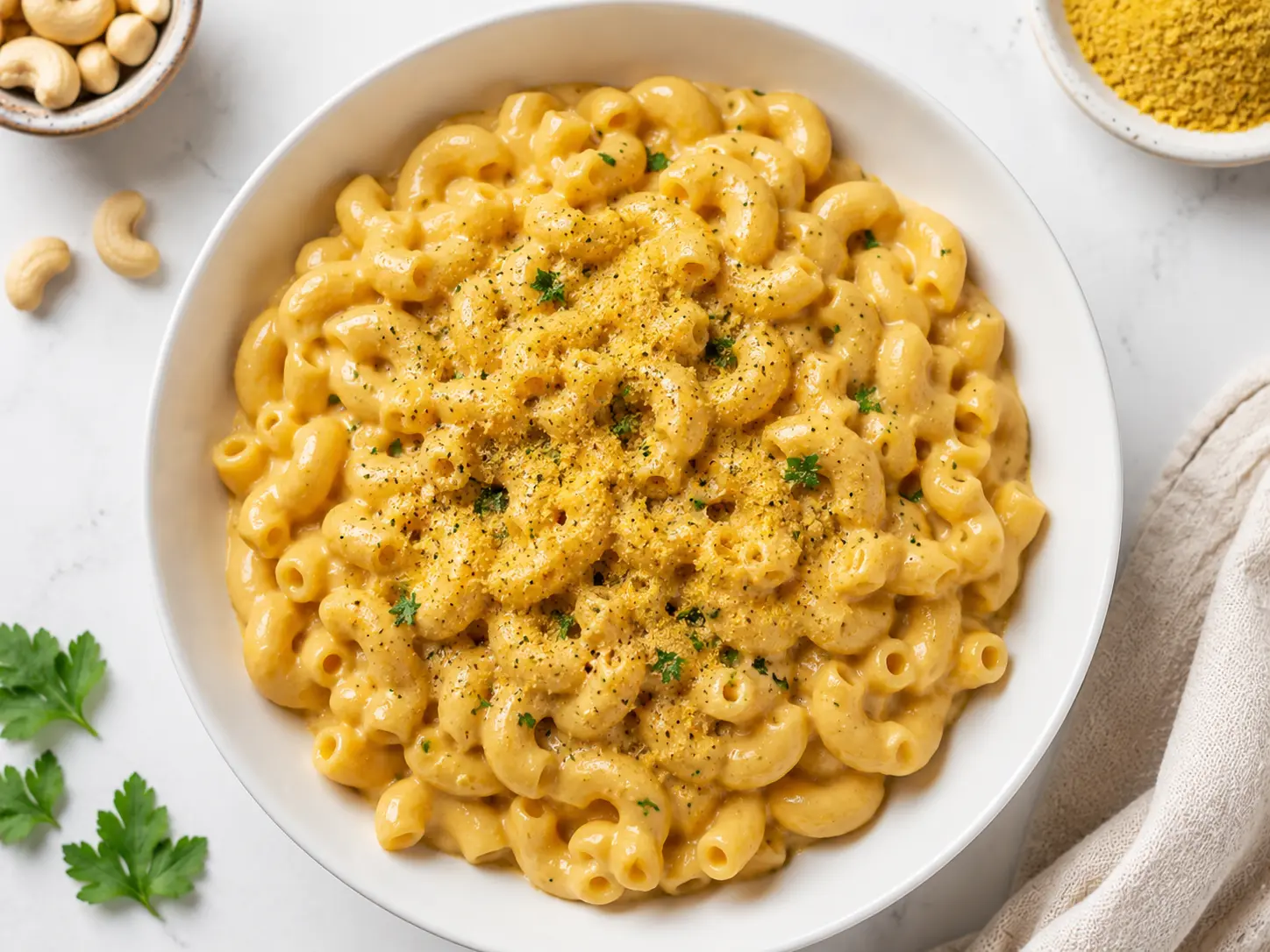
High Protein Vegan Mac and Cheese
Ingredients
Equipment
Method
- Cook the pasta: Bring a large pot of salted water to a boil. Cook the pasta until just al dente according to package directions. Before draining, reserve about 1 cup of pasta water. Drain the pasta and set it aside.
- Blend the sauce: In a blender, combine the silken tofu, white beans, soy milk, nutritional yeast, miso, Dijon, lemon juice, onion powder, garlic powder, smoked paprika, turmeric, salt, pepper, and cornstarch. Blend until completely smooth.
- Build the aromatic base: Heat olive oil in a large skillet or Dutch oven over medium heat. Add the shallot and cook for 2 to 3 minutes until softened. Add the garlic and cook for about 30 seconds, just until fragrant.
- Warm the sauce gently: Reduce the heat to low and pour in the blended sauce. Stir often for 3 to 5 minutes until it thickens slightly and looks glossy. Do not boil it aggressively.
- Add pasta and loosen as needed: Add the cooked pasta to the skillet and stir until everything is coated. Add 2 tablespoons of reserved pasta water and toss again. Add more pasta water if needed until creamy.
- Fold in optional add-ins: If using broccoli, peas, or edamame, fold them in now and warm them through for 1 to 2 minutes.
- Finish and serve: Taste and adjust salt, pepper, or lemon if needed. Serve immediately with black pepper, chopped chives, or toasted breadcrumbs on top.
Notes
Ingredients
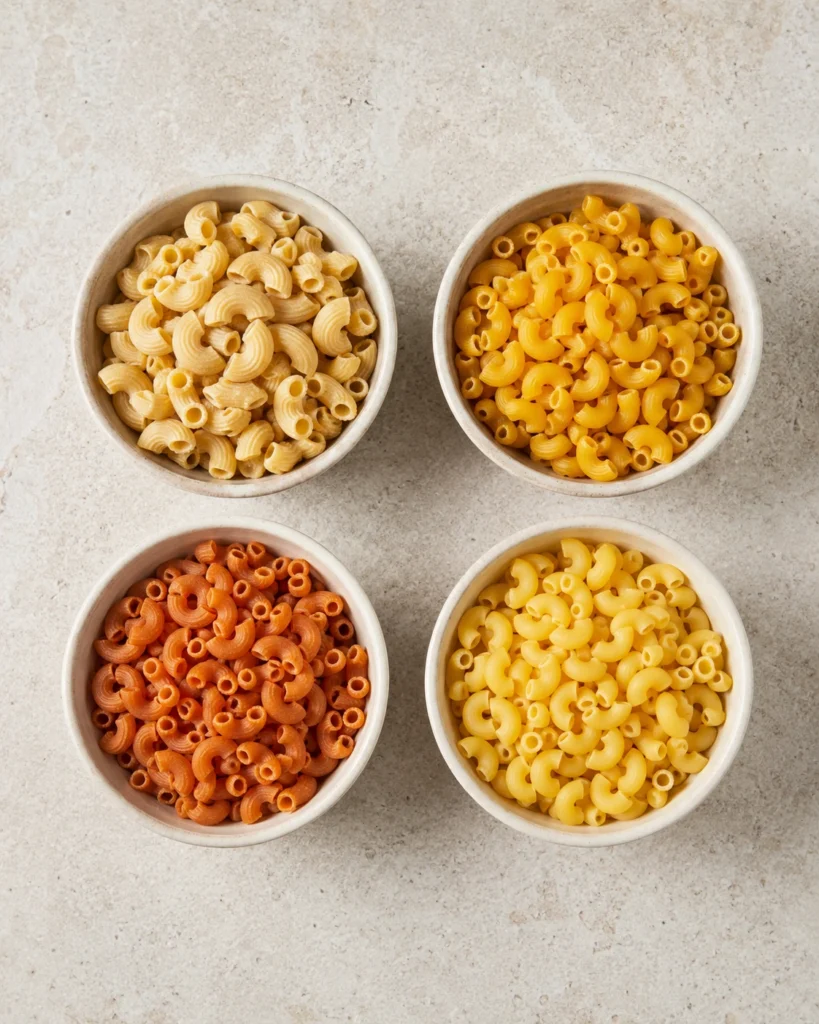
For the best high protein vegan mac and cheese, use protein elbow pasta or chickpea pasta because the pasta itself supports the protein goal.
Main Ingredients
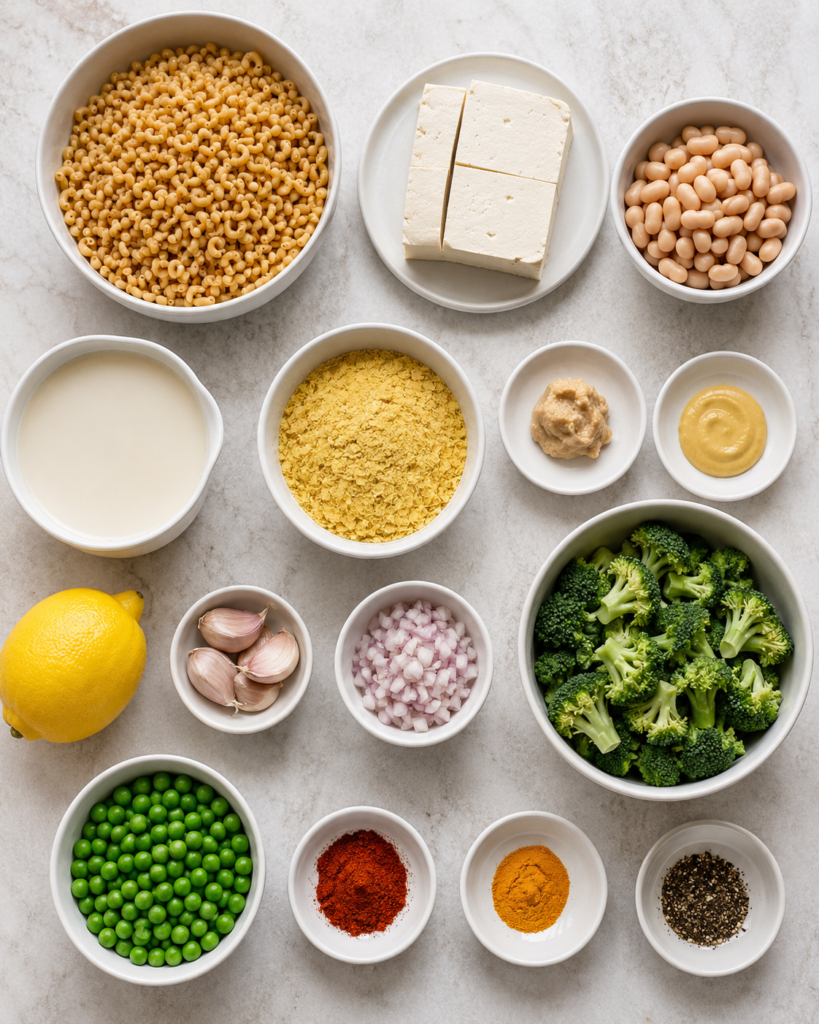
- 12 ounces protein elbow pasta or chickpea/lentil elbow pasta
- 1 teaspoon olive oil
- 1 small shallot, finely chopped
- 3 garlic cloves, minced
Creamy Dairy-Free Cheese Sauce
- 12 ounces silken tofu
- 3/4 cup canned cannellini beans or great northern beans, rinsed
- 1 1/4 cups unsweetened soy milk
- 1/2 cup nutritional yeast
- 1 tablespoon white miso
- 2 teaspoons Dijon mustard
- 1 tablespoon lemon juice
- 1/2 teaspoon onion powder
- 1/2 teaspoon garlic powder
- 1/2 teaspoon smoked paprika
- 1/8 teaspoon turmeric, for color
- 3/4 teaspoon kosher salt, plus more to taste
- 1/2 teaspoon black pepper
- 1 tablespoon cornstarch or tapioca starch
- 2 to 4 tablespoons reserved pasta water, as needed
Optional Add-Ins
- 1 to 2 cups steamed broccoli
- 1/2 cup peas
- 1 cup shelled edamame
- sautéed mushrooms
- toasted breadcrumbs for topping
- extra black pepper
- chopped chives
Optional Protein Boosters
- extra edamame
- hemp hearts
- seasoned soy crumbles
Ingredient Notes and Best Swaps
Best pasta choice
Protein elbow pasta is the cleanest fit because it keeps the dish aligned with the keyword and gives the final bowl more staying power. Chickpea pasta and lentil pasta also work well. If you use standard wheat macaroni, the recipe still works, but the protein total drops noticeably.
Why silken tofu works so well
Silken tofu is one of the best dairy-free shortcuts for creamy sauces because it blends incredibly smooth and does not need soaking or advance prep. It also keeps the sauce from turning too dense once reheated.
Why white beans belong here
A small amount of white beans adds body and helps the sauce feel thicker and more comforting. The flavor stays mild, especially once the nutritional yeast, miso, garlic, and mustard are blended in.
Best milk for the sauce
Unsweetened soy milk is the strongest choice for both creaminess and protein. Oat milk can work if needed, but the sauce will usually be a little less protein-forward and slightly sweeter.
Miso swap
If you do not have white miso, you can leave it out and add a bit more salt plus a small extra pinch of nutritional yeast. It will still be good, but slightly less deep and cheesy.
How to Make It Step by Step
1. Cook the pasta
Bring a large pot of salted water to a boil. Cook the pasta until just al dente according to package directions. Before draining, reserve about 1 cup of pasta water. Drain the pasta and set it aside.
2. Blend the sauce
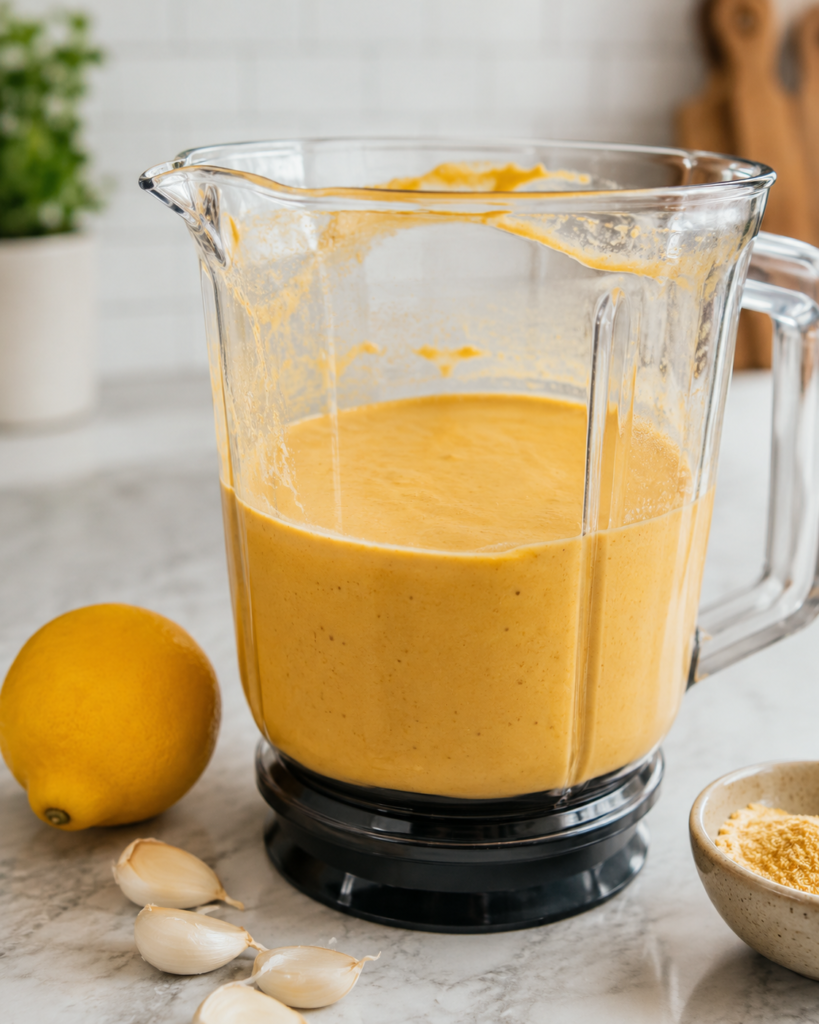
In a blender, combine the silken tofu, white beans, soy milk, nutritional yeast, miso, Dijon, lemon juice, onion powder, garlic powder, smoked paprika, turmeric, salt, pepper, and cornstarch. Blend until completely smooth. The sauce should look silky and pourable, not thick like hummus.
3. Build the aromatic base
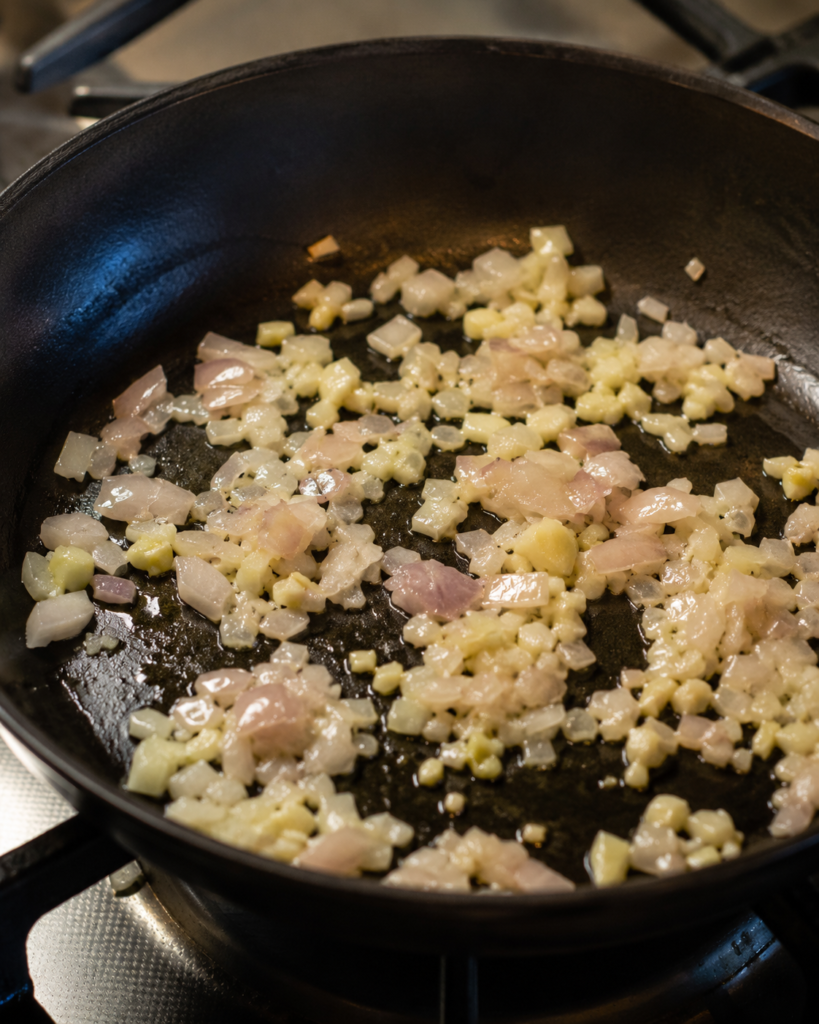
Heat the olive oil in a large skillet or Dutch oven over medium heat. Add the shallot and cook for 2 to 3 minutes until softened. Add the garlic and cook for about 30 seconds, just until fragrant.
4. Warm the sauce gently
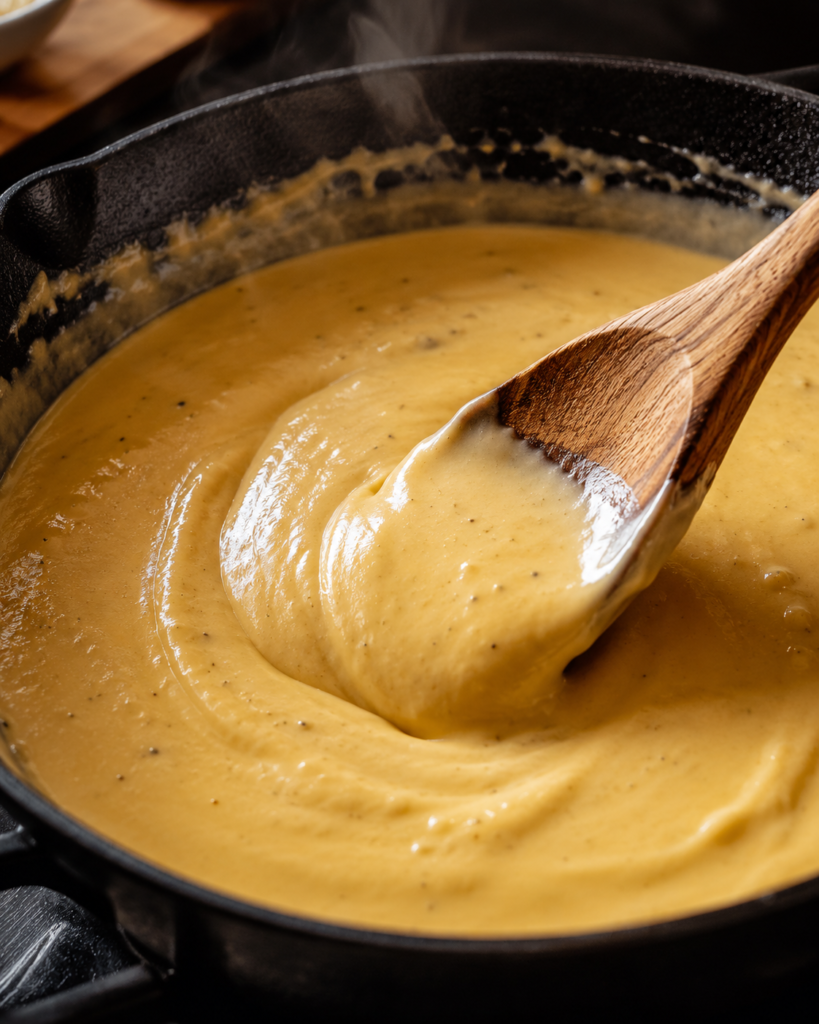
Reduce the heat to low and pour in the blended sauce. Stir often for 3 to 5 minutes until it thickens slightly and looks glossy. Do not boil it aggressively. This is a gentle warm-through, not a hard simmer.
5. Add pasta and loosen as needed
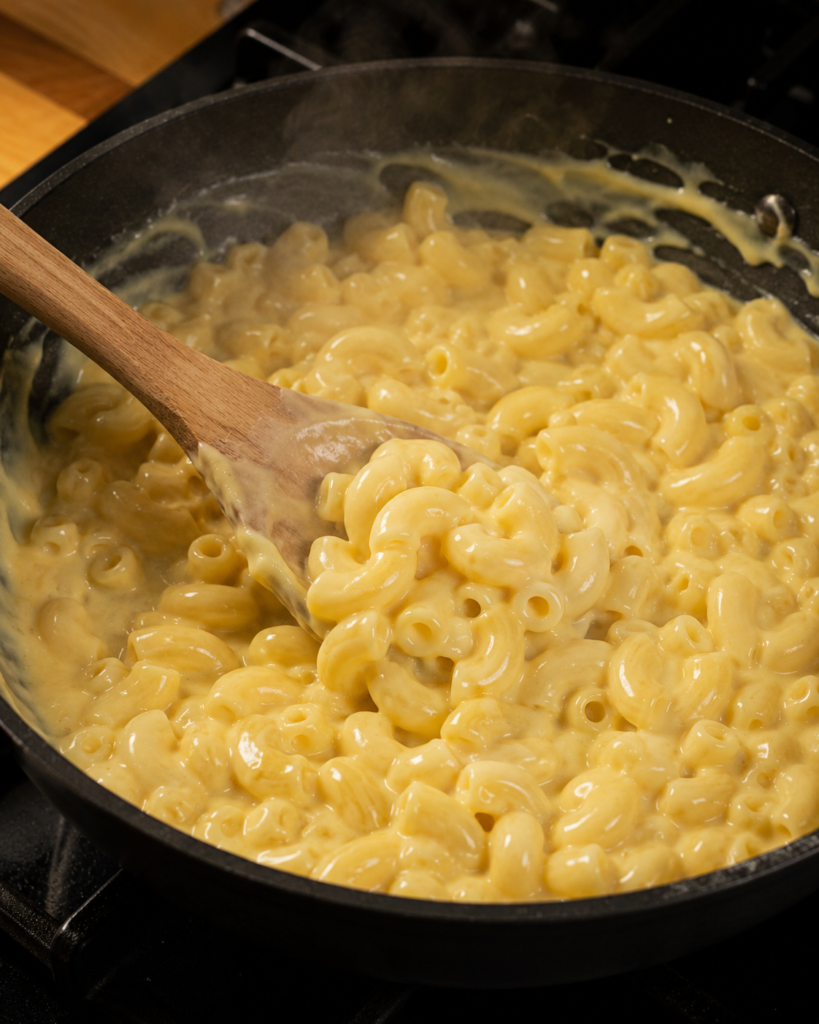
Add the cooked pasta to the skillet and stir until everything is coated. Add 2 tablespoons of reserved pasta water and toss again. If the sauce looks too thick, add a bit more pasta water until it reaches a creamy, clingy texture.
The sauce is what makes this high protein vegan mac and cheese feel rich, smooth, and satisfying.
6. Fold in optional add-ins
If using broccoli, peas, or edamame, fold them in now and warm them through for 1 to 2 minutes. This turns the mac into a more complete meal without making it feel overloaded.
7. Finish and serve
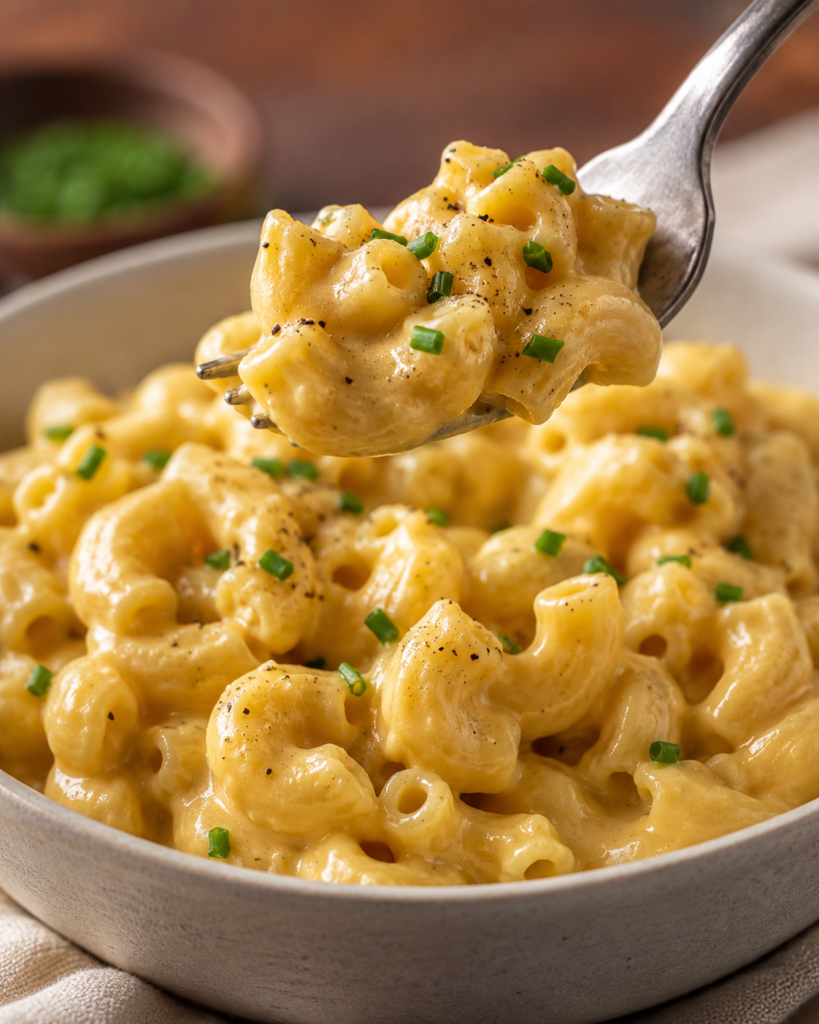
Taste and adjust salt, pepper, or lemon if needed. Serve immediately with black pepper, chopped chives, or toasted breadcrumbs on top if you want a little extra texture contrast.
Texture, Flavor, and Serving Ideas
The finished texture should be creamy and glossy, not paste-like. The sauce should cling to the pasta in a smooth coating, with enough body to feel rich but not so much that it turns stiff as soon as it cools. If the pot starts tightening up while it sits, a small splash of warm soy milk or hot water brings it back quickly.
Flavor-wise, this is savory, lightly tangy, and gently smoky from the paprika. It is not trying to imitate a sharp cheddar exactly. Instead, it gives you the same comfort-food payoff in a dairy-free, plant-based way that still feels mac-and-cheese-like.
For serving, this works beautifully on its own, but it also pairs well with roasted broccoli, a simple salad with lemony dressing, sautéed mushrooms, or crispy oven-baked chickpeas. If you are feeding mixed eaters, that flexibility helps.
Meal Prep, Storage, and Reheating
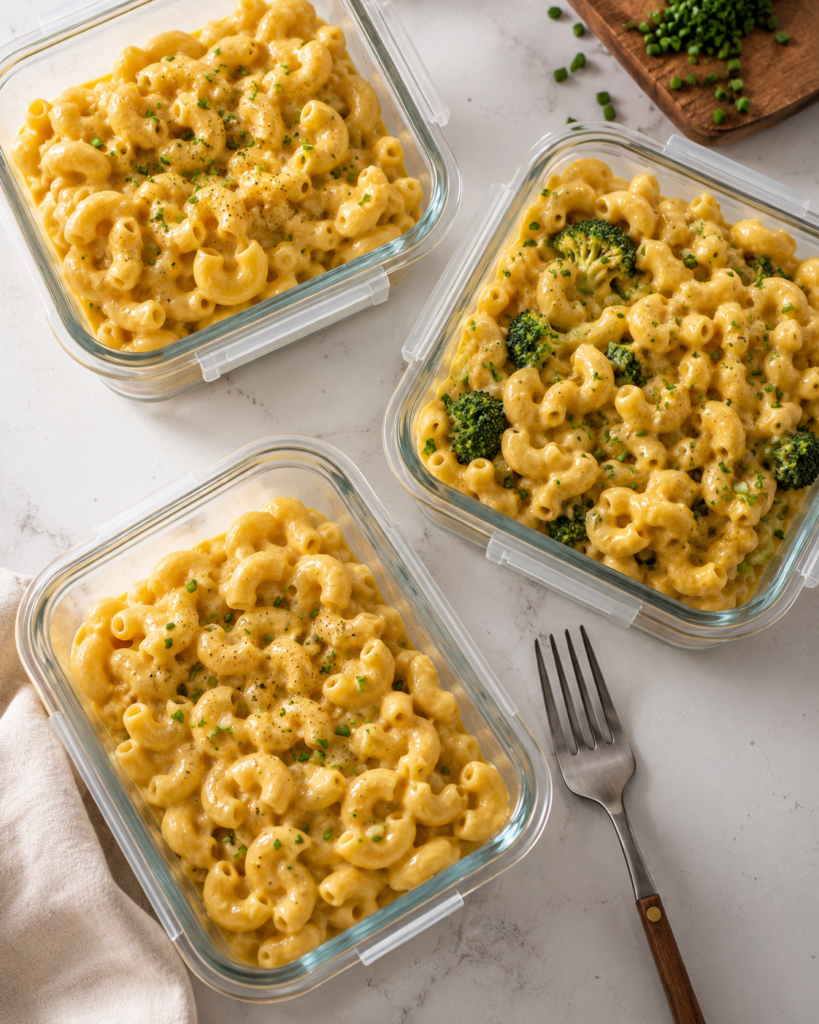
This is one of the more practical vegan mac and cheese versions for meal prep because the tofu-and-bean sauce holds up better than many thinner dairy-free sauces. Store leftovers in airtight containers in the refrigerator for up to 3 to 4 days. USDA says leftovers can be kept in the refrigerator for 3 to 4 days or frozen for 3 to 4 months, though quality can decline in the freezer over time.
For the best reheating texture, add a splash of soy milk or water before warming. Reheat gently on the stove or in the microwave, stirring partway through. USDA says reheated leftovers should reach 165°F, and FDA recommends dividing leftovers into shallow containers for quicker cooling.
Freezing is possible, but this recipe is best as a fridge meal-prep dinner rather than a freezer-first pasta. For leftovers, this high protein vegan mac and cheese reheats best with a small splash of soy milk or broth.
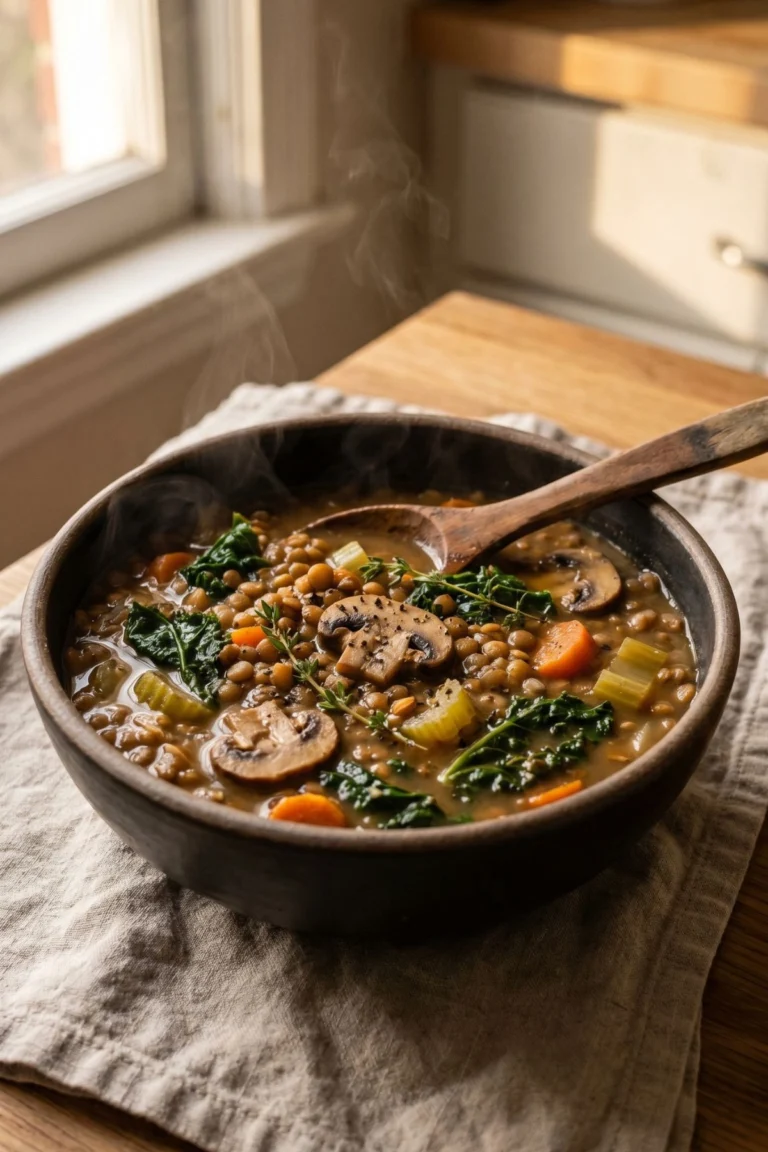
For another cozy plant-based meal-prep dinner, you may also like my vegan lentil mushroom stew, which is hearty, freezer-friendly, and naturally high in plant protein.
Variations
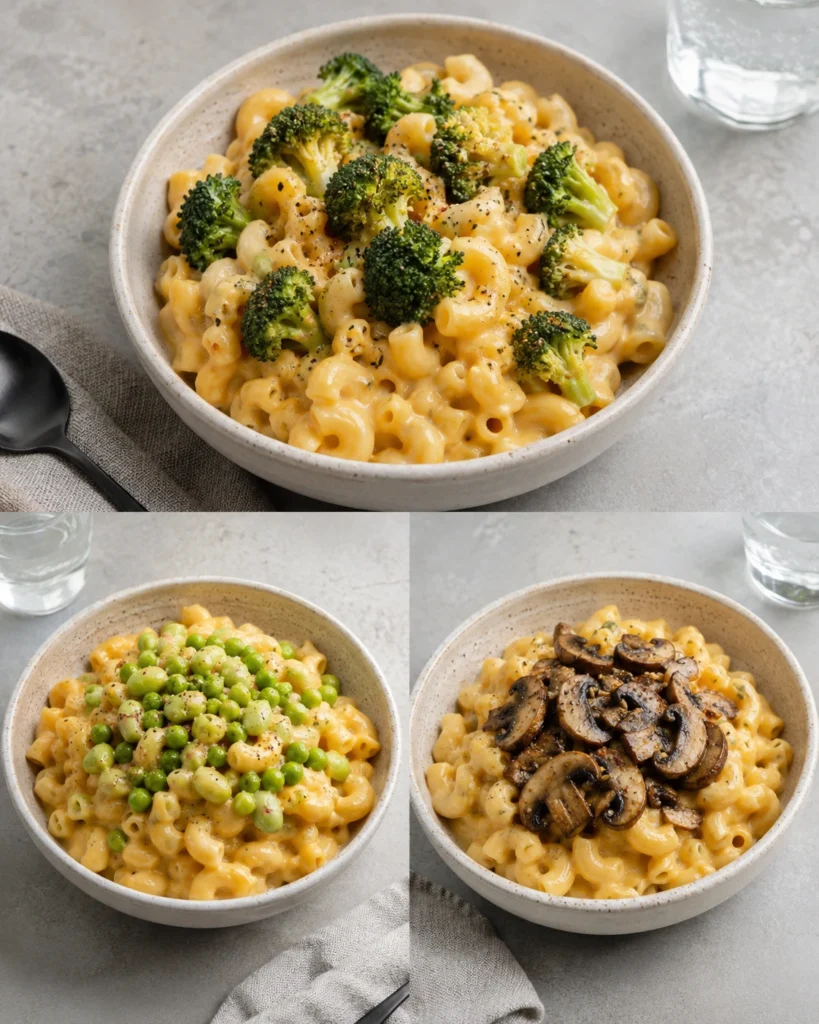
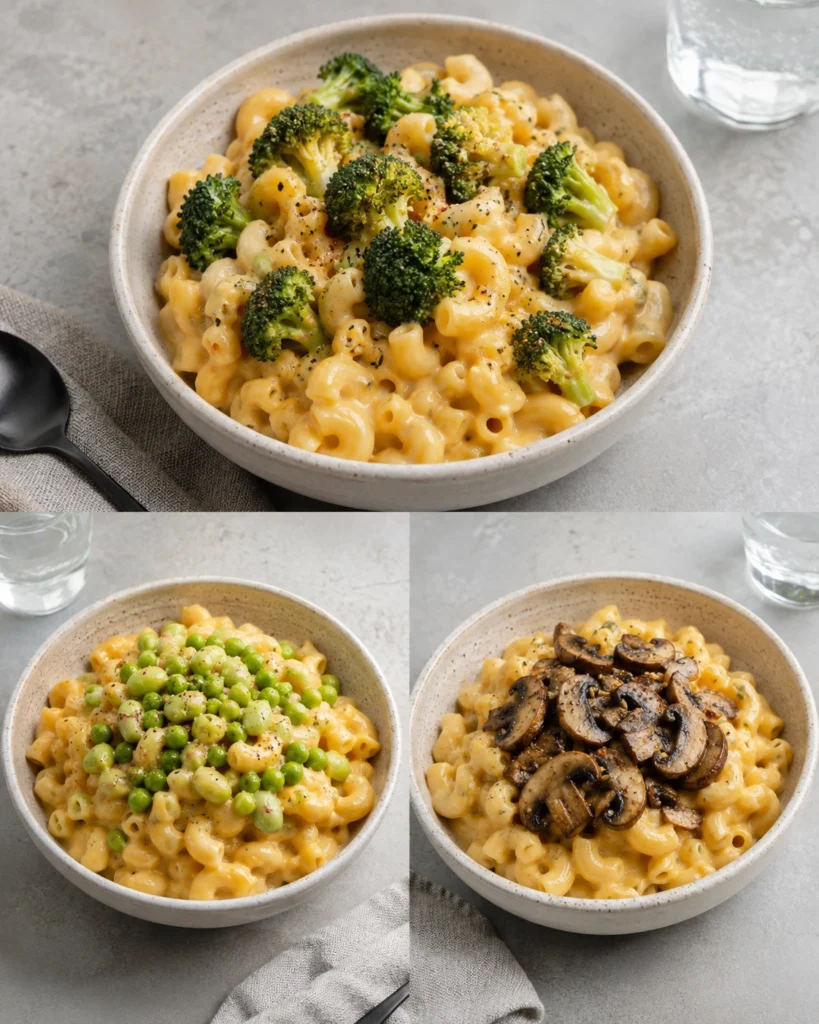
1. Broccoli mac version
Add steamed broccoli florets at the end for a classic mac-and-broccoli pairing. It makes the bowl feel more complete and adds texture without fighting the sauce.
2. Pea and edamame version
Stir in peas plus shelled edamame for an extra protein push and a slightly sweeter green note. This is especially good for meal prep because both reheat well.
3. Mushroom comfort-food version
Sauté mushrooms with the shallot before adding the garlic. This adds a more savory, dinner-style flavor that makes the mac feel even heartier.
4. Baked top version
Transfer the finished mac to a baking dish, top with toasted breadcrumbs, and bake briefly until the top turns golden. It is still easy, but feels a little more like weekend comfort food.
5. Spicier version
Add a pinch of cayenne, extra black pepper, or a little hot sauce for a sharper finish. This works especially well if you like your mac and cheese less mellow.
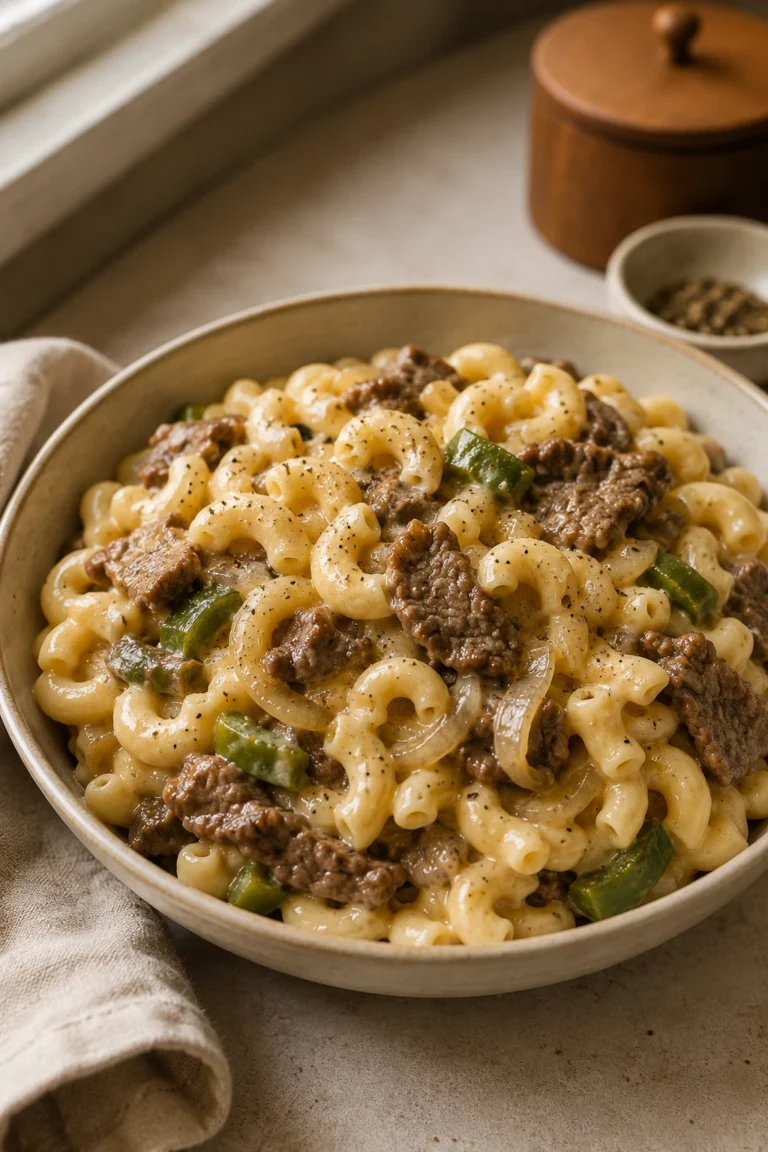
If you want a creamy comfort-food pasta with a meat-based protein option, my High Protein Philly Cheesesteak Mac and Cheese is another easy dinner idea.
Common Mistakes to Avoid
Using a low-protein plant milk
Almond milk can work in a pinch, but soy milk gives a better protein profile and a creamier final texture.
Skipping the blender
If the tofu and beans are not fully blended, the sauce never gets that silky, smooth finish.
Letting the sauce boil too hard
A hard boil can make the sauce reduce too fast and turn heavier than you want.
Not reserving pasta water
That little bit of starchy water helps loosen and bind the sauce at the same time.
Overcooking protein pasta
Legume-based pasta can go from pleasantly firm to too soft quickly, so stop at al dente.
High-Protein Vegan Mac Cheat Sheet
Best protein base:
protein pasta + silken tofu + soy milk
Best texture move:
blend the sauce fully and loosen with pasta water at the end
Best easy add-ins:
broccoli, peas, edamame, mushrooms
Best flavor boosters:
white miso, Dijon, lemon, black pepper
Best meal-prep tip:
store with a spoonful of extra sauce or a splash of soy milk for reheating
Biggest mistake:
overcooking the pasta or reducing the sauce too much
Estimated protein per serving:
about 24 to 28 grams, depending on the pasta and soy milk brand used
More High-Protein Recipes to Try
If you like plant-based comfort food, try this Vegan Lentil Mushroom Stew next.
For another creamy high-protein meal, you may also like this Creamy Protein-Packed Pasta Bowl.
If you want a hearty pasta dinner, try this Philly Cheesesteak Mac and Cheese.
Here are a few helpful answers before you make this high protein vegan mac and cheese at home.
What pasta works best for high protein vegan mac and cheese?
Protein elbow pasta, chickpea pasta, lentil pasta, or pea protein pasta works best because these options add more protein than regular pasta. Elbow shapes also hold the creamy sauce well and keep the dish close to classic mac and cheese.
How do I make vegan mac and cheese creamy without dairy?
Use a blended sauce made with silken tofu, nutritional yeast, plant-based milk, garlic powder, and seasonings. This creates a smooth, creamy texture without cheese, butter, or heavy cream.
Can I meal prep high protein vegan mac and cheese?
Yes. Store it in an airtight container in the refrigerator for up to 4 days. Reheat it gently with a splash of plant-based milk or water to loosen the sauce and make it creamy again.
Can I add more protein to vegan mac and cheese?
Yes. You can add chickpeas, white beans, tofu, edamame, tempeh, or use higher-protein pasta. These additions keep the recipe plant-based while increasing the protein per serving.
Why does vegan mac and cheese get thick after storing?
The pasta absorbs sauce as it sits in the fridge, so the texture becomes thicker. Add a small splash of plant-based milk or water while reheating and stir until the sauce becomes creamy again.
Recipe Notes
Current live results for this keyword area show a pretty clear pattern: high-protein vegan mac and cheese recipes are often built around chickpea or lentil pasta plus sauces based on red lentils, tofu, or other legumes. That makes texture, ease, and reheating guidance the clearest ways to create a stronger version.
USDA says leftovers are generally best kept in the refrigerator for 3 to 4 days and reheated to 165°F, while FDA advises cooling leftovers in shallow containers for faster refrigeration. Those details matter if this is going into your meal-prep rotation.
A High-Protein Vegan Mac and Cheese Worth Repeating
If you want a comfort-food dinner that still feels purposeful, this high protein vegan mac and cheese is the kind of recipe worth repeating. It is creamy, dairy-free, easy enough for weeknights, and strong enough to hold its own as a real meal instead of just a side dish.