High Protein Lasagna (Easy Meal Prep Dinner)
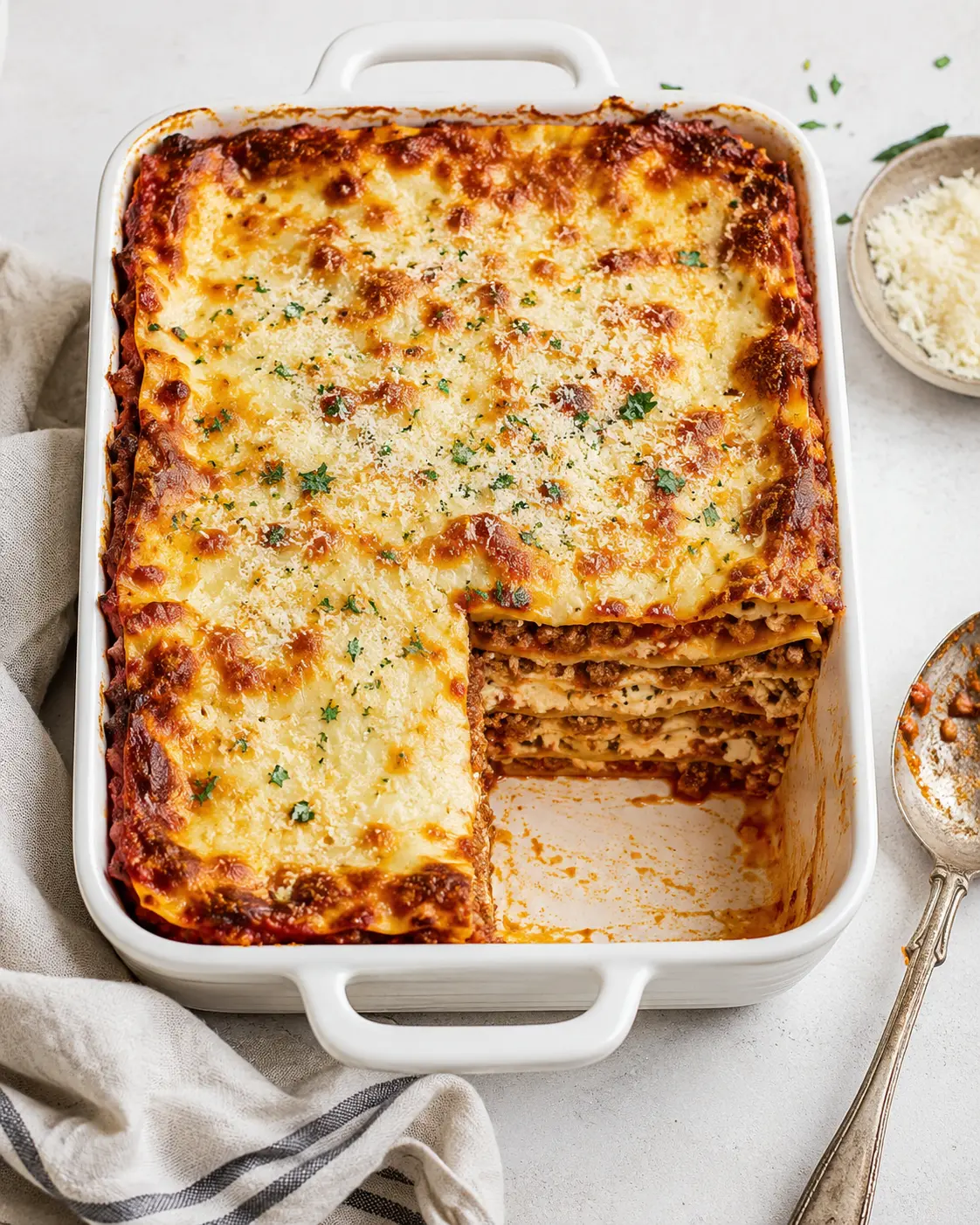
A good high-protein lasagna should still feel like lasagna first. It should be saucy without being sloppy, cheesy without becoming too heavy, and hearty enough that one square actually feels like dinner. That is the balance this recipe is built for. It keeps the comfort-food structure people want, but strengthens the protein side with lean meat and a more protein-forward cheese layer so the finished dish feels more satisfying and more meal-prep useful.
This is also the kind of recipe that earns a spot in a real routine. It reheats well, slices well once rested, and works for family dinner, make-ahead lunches, or freezer prep without feeling like a compromise meal. If you want something warm, filling, and familiar that still fits a more protein-conscious way of eating, this high-protein lasagna does that job very well.
What is high protein lasagna?
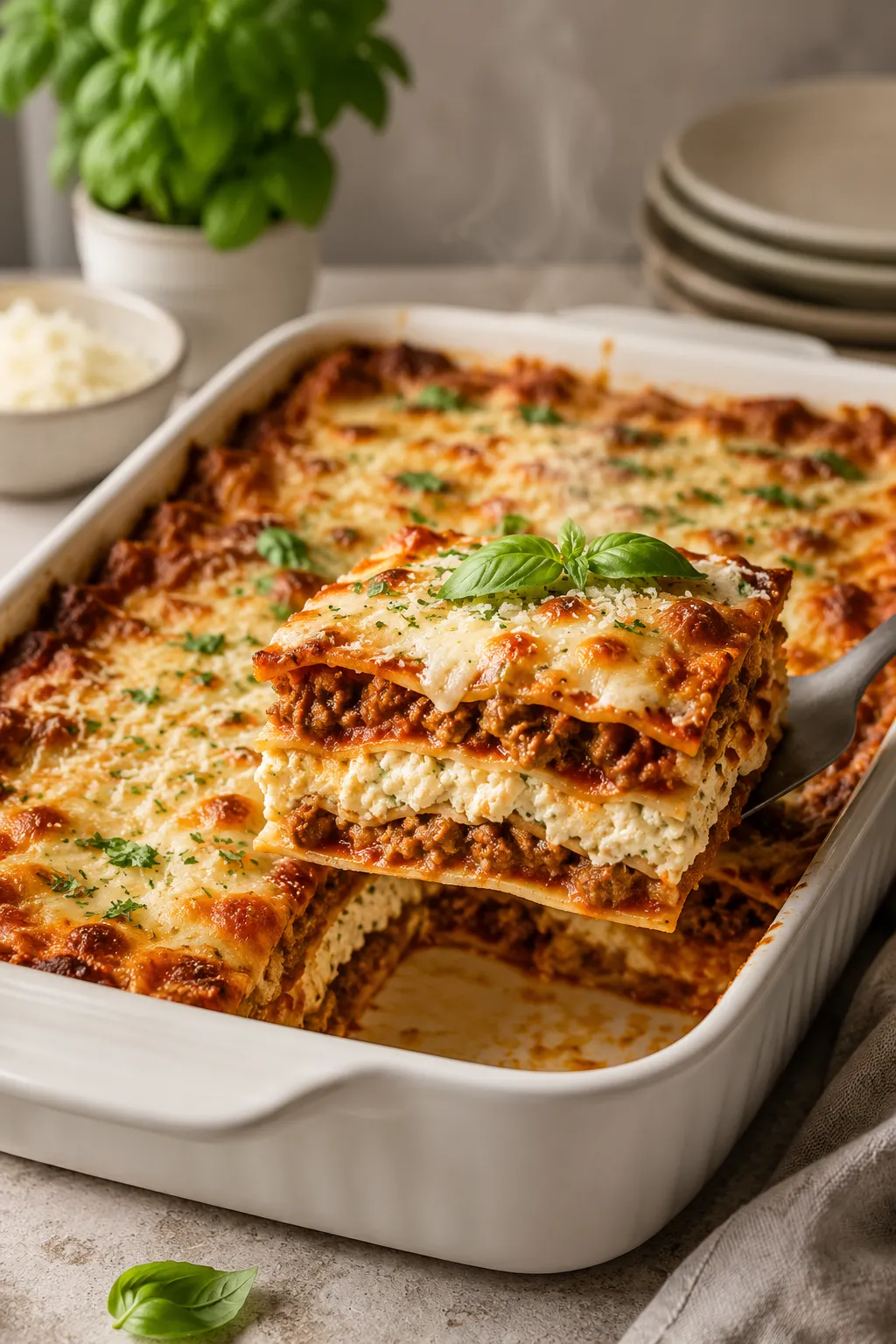
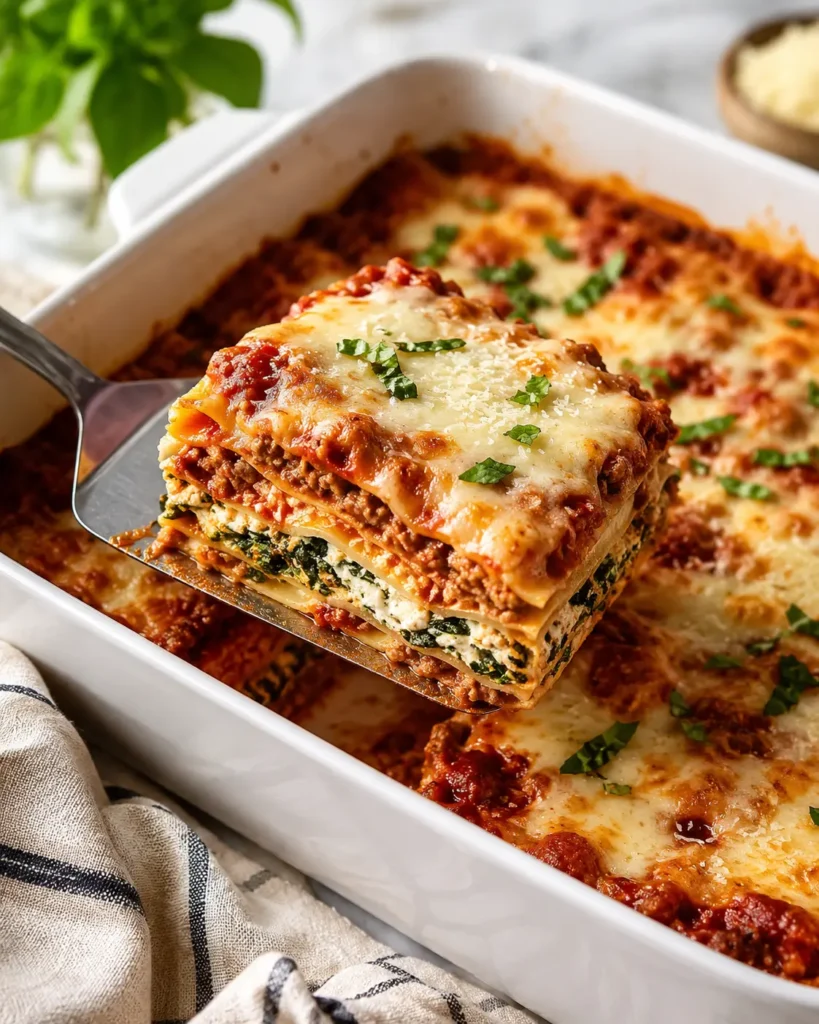
High protein lasagna is a layered baked pasta dish designed to increase protein by using ingredients like lean ground meat, cottage cheese or ricotta, eggs, and generous cheese layers while still keeping the classic lasagna structure. The goal is a filling, comforting dinner that feels familiar, slices well, and works especially well for leftovers and meal prep.
That makes it a natural fit for nearby searches like high-protein dinner ideas, healthy comfort food recipes, freezer-friendly casseroles, cottage cheese pasta bakes, and make-ahead family meals. It gives you all the layered pasta satisfaction of classic lasagna, but with better staying power and more practical protein value.
Why You’ll Love This Lasagna
- It still tastes like real lasagna, not a “lightened-up” version that feels disappointing.
- For another creamy baked version, try my easy lasagna with cottage cheese when you want a lighter high-protein twist on classic lasagna.
- Lean meat and a protein-rich cheese layer make it much more filling.
- It is meal-prep friendly and reheats beautifully.
- The layers stay structured enough to slice cleanly after resting.
- It works for family dinner, leftovers, and freezer prep (or make an easy sheet pan lasagna for a quick weeknight dinner).
- Cottage cheese or ricotta both work, so it is flexible.
- It is one of those high-protein comfort meals that people actually want to eat again.
Why This High-Protein Lasagna Works
Lasagna only feels satisfying when the structure is right. A weak sauce makes it watery. A bland cheese layer makes it forgettable. Too much lean protein without enough moisture makes it dry. This recipe works because it respects the balance that makes classic lasagna good in the first place.
The meat sauce starts with onion, garlic, and tomato paste, which gives the dish deeper flavor before the marinara even goes in. Then it simmers long enough to feel thick and concentrated instead of loose. That matters because the sauce has to coat and support the layers, not flood them.
The cheese layer is doing more than adding richness. Mixing cottage cheese or ricotta with egg and Parmesan gives it body and helps the lasagna hold together better after baking. Cottage cheese also nudges the protein higher in a natural way without making the dish feel strange or overly “fitness” oriented.
Why This Works: protein-forward recipes tend to succeed when the upgraded ingredients still belong in the dish. That is exactly what happens here. Lean ground turkey or beef, cottage cheese, egg, and mozzarella all make sense in lasagna anyway, so the higher-protein angle feels natural rather than forced.
What Makes It High Protein
The biggest protein lift comes from the meat. Lean ground turkey works especially well because it keeps the dish hearty without making it too heavy. Lean ground beef also works if you want a more classic lasagna flavor. Either way, the sauce becomes the backbone of the recipe.
Then there is the cheese layer. Cottage cheese or ricotta both add protein, but cottage cheese pushes the protein higher and often makes the final dish feel a little lighter. Egg helps hold that layer together, while mozzarella and Parmesan add more protein on top of the flavor they already bring.
This layered protein approach matters because the dish feels complete. It is not relying on one trick ingredient. It is simply using classic lasagna components in a smarter, more filling way.
Protein Upgrade: use cottage cheese instead of ricotta and choose lean ground turkey if you want the most obvious protein-forward version without changing the identity of the recipe.
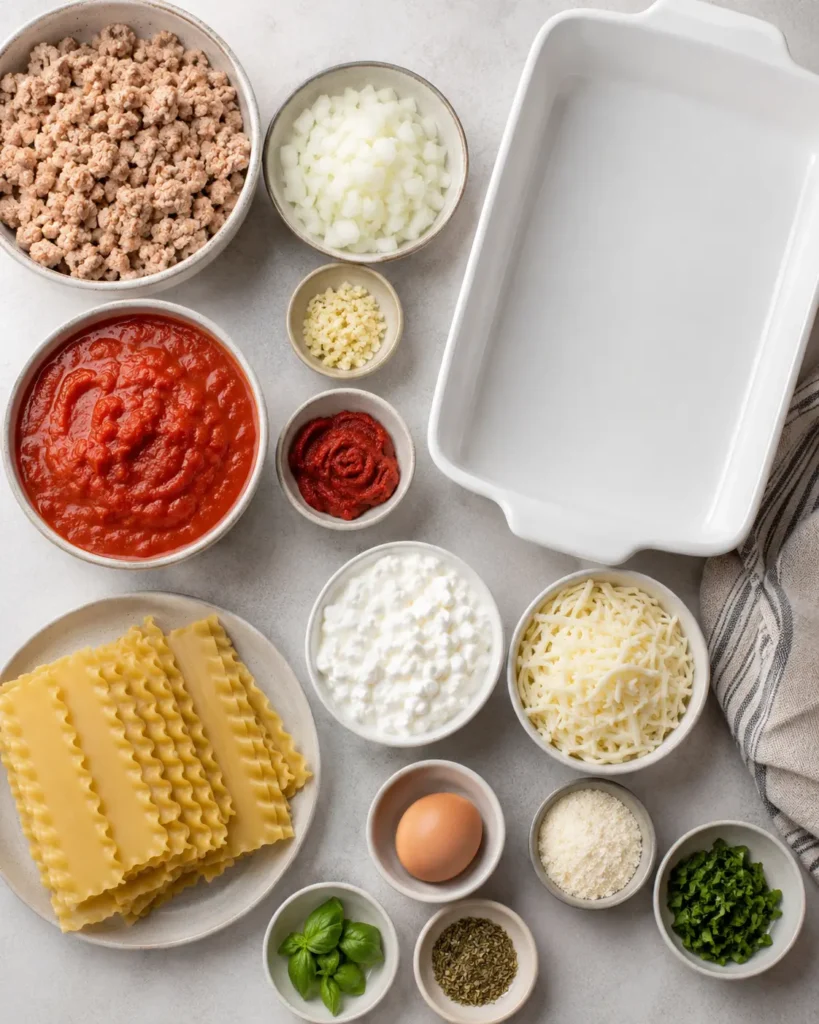
Ingredients You’ll Need
For the Meat Sauce
- 1 tablespoon olive oil
- 1 medium yellow onion, diced
- 4 garlic cloves, minced
- 1 1/2 pounds lean ground turkey or lean ground beef
- 2 tablespoons tomato paste
- 1 teaspoon Italian seasoning
- 1/2 teaspoon dried oregano
- 1/2 teaspoon black pepper
- 1/2 teaspoon salt, plus more to taste
- 1 jar (24 to 25 ounces) marinara sauce
For the Cheese Layer
- 2 cups cottage cheese or ricotta
- 1 large egg
- 3/4 cup grated Parmesan
- 2 tablespoons chopped parsley or basil
For the Layers
- 9 lasagna noodles, cooked and drained
- 2 to 2 1/2 cups shredded mozzarella
- extra Parmesan for finishing, optional
This ingredient list stays very close to what people already know and like about lasagna. That is intentional. The better the recipe fits a familiar comfort-food pattern, the more likely it is to become a repeat meal instead of a one-time “healthy version.”
Ingredient Notes and Smart Swaps
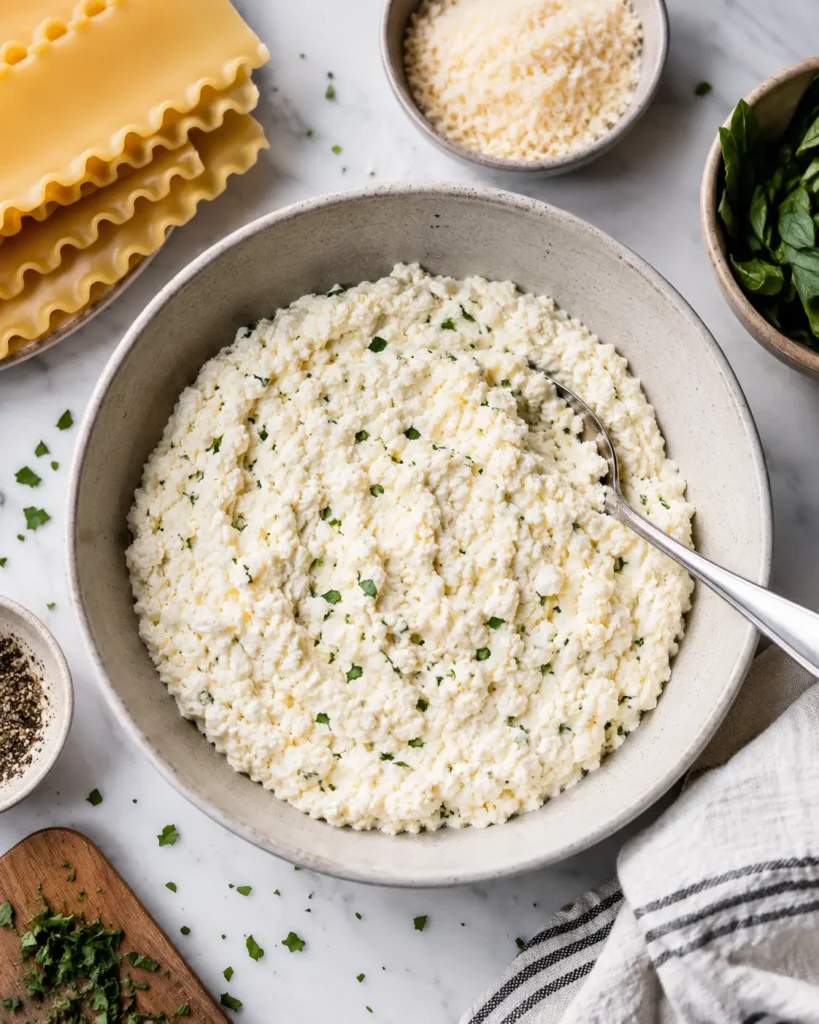
Cottage cheese is the most practical protein-forward choice for the cheese layer, but ricotta is excellent if you want a more traditional feel. If you use cottage cheese and want a smoother texture, you can blend it briefly before mixing it with the egg and Parmesan.
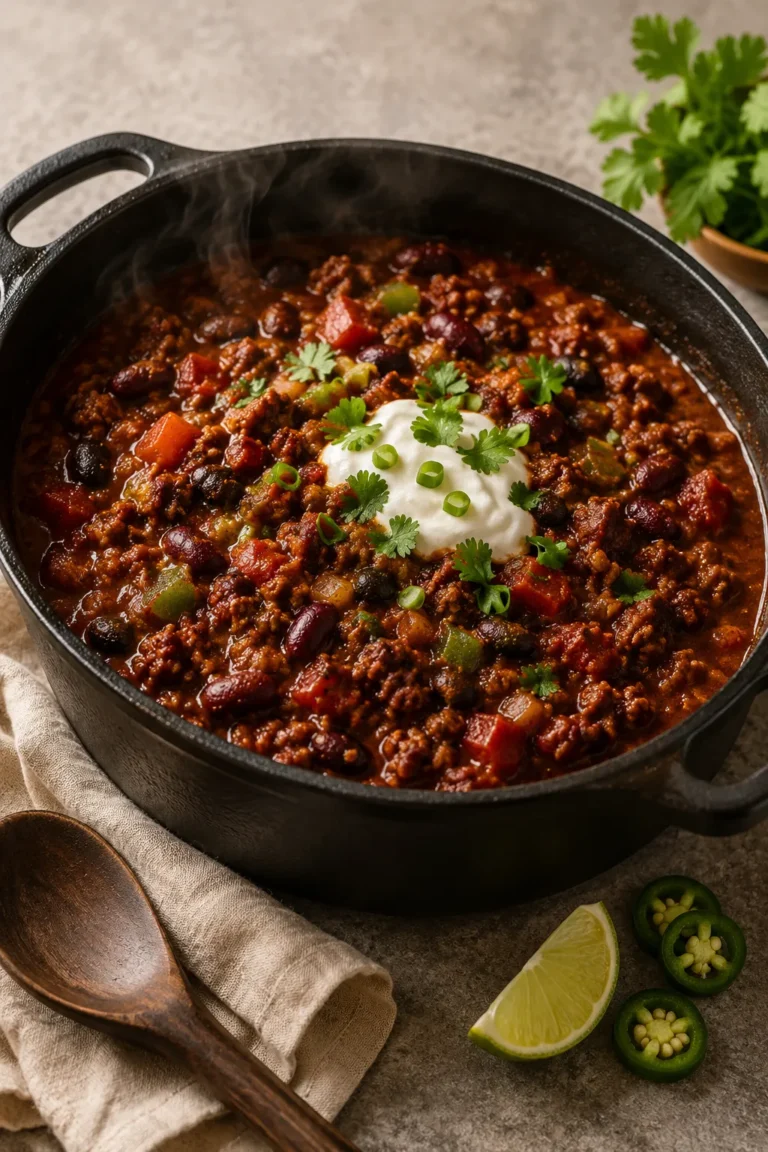
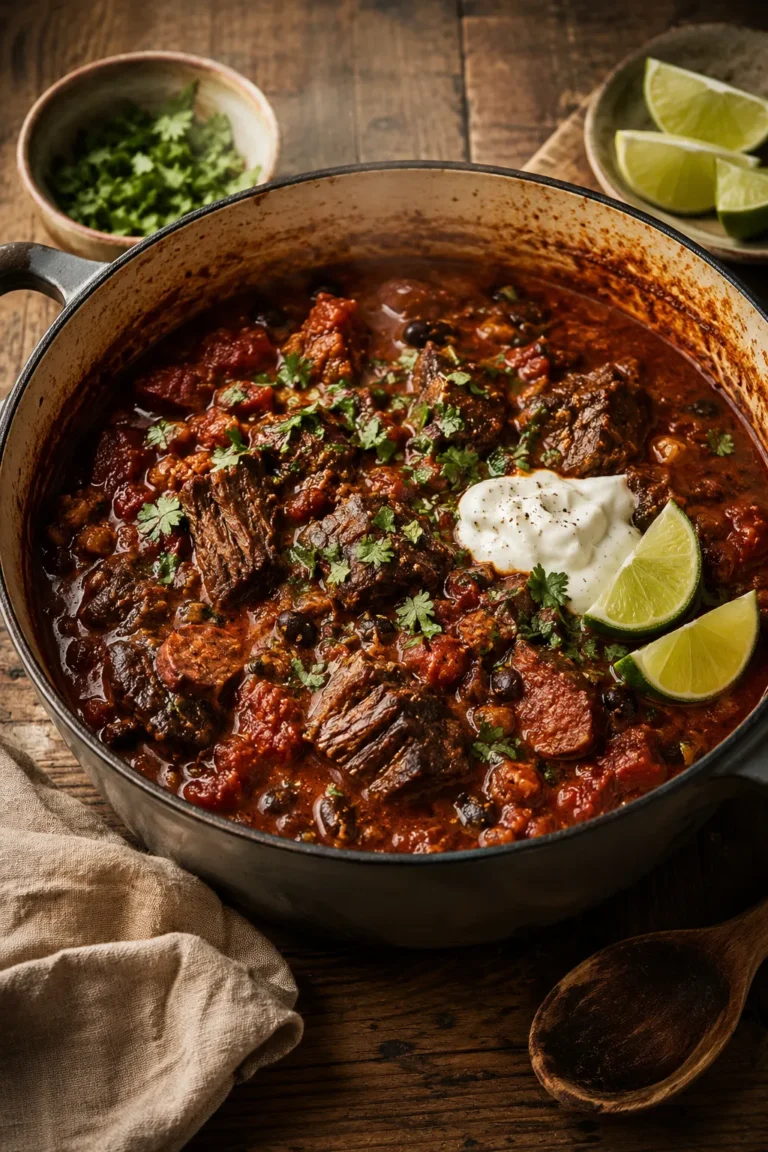
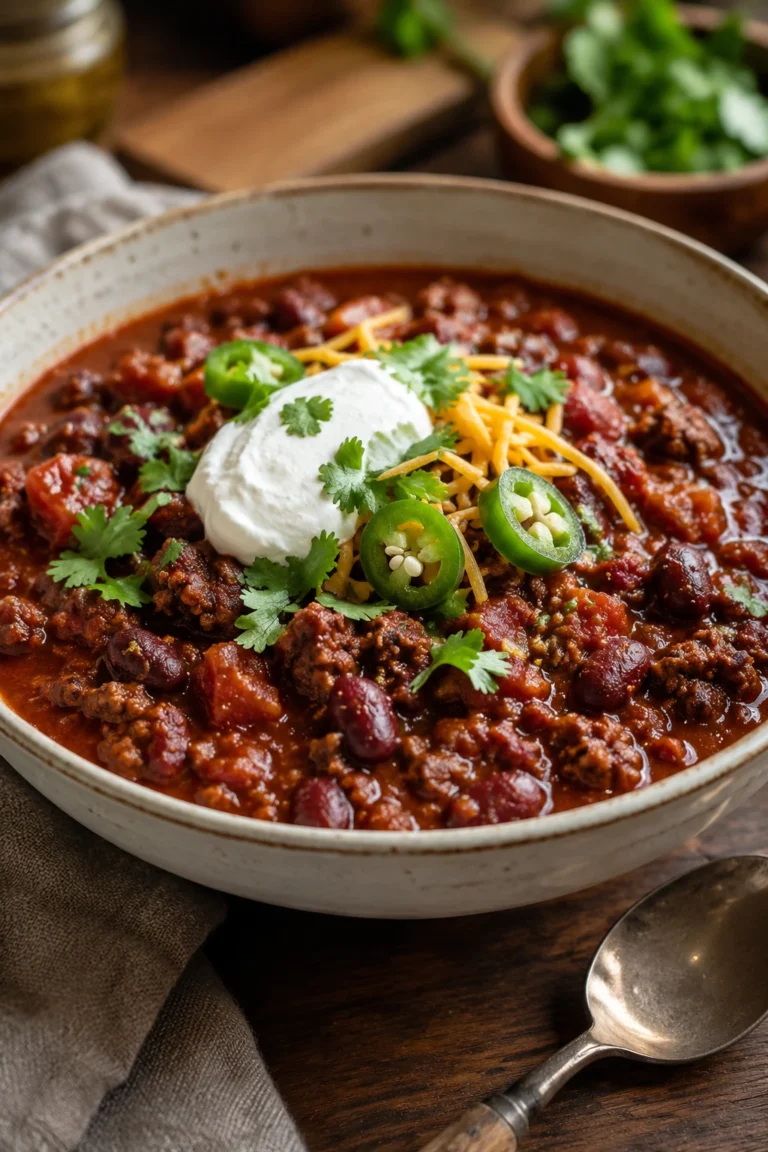
For another hearty meal made with lean ground turkey, try my turkey chili recipe when you want a thick, protein-forward dinner.
Lean ground turkey keeps the lasagna a little lighter, which is especially nice if you want the dish to feel filling without becoming overly rich. Lean ground beef gives you a more classic flavor profile. A mix of the two also works very well.
For noodles, standard lasagna noodles are completely fine. No-boil noodles can work too, but they depend more heavily on sauce moisture, so the layering has to be a little more exact. Regular cooked noodles are easier to control if you want a more reliable result.
Flavor Boost: a small pinch of red pepper flakes in the sauce adds warmth and keeps the richness from feeling too one-note.
How to Make High-Protein Lasagna
For food safety, check the safe minimum internal temperature chart when cooking ground meat or poultry for the lasagna sauce.
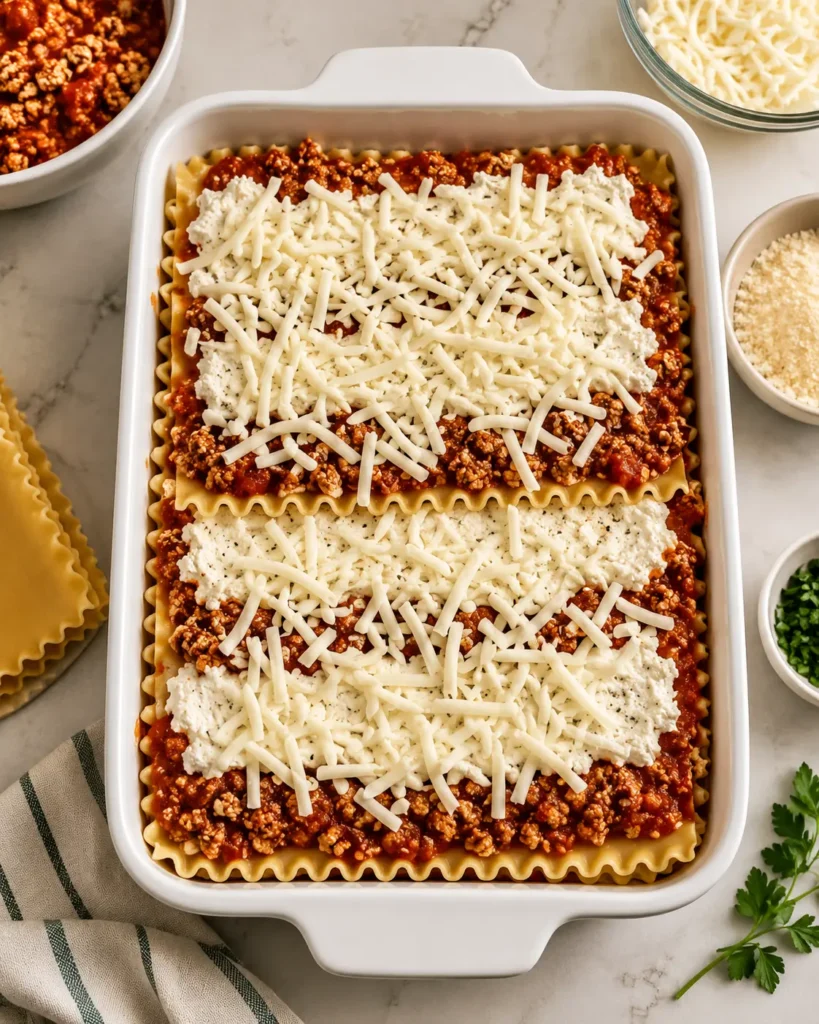
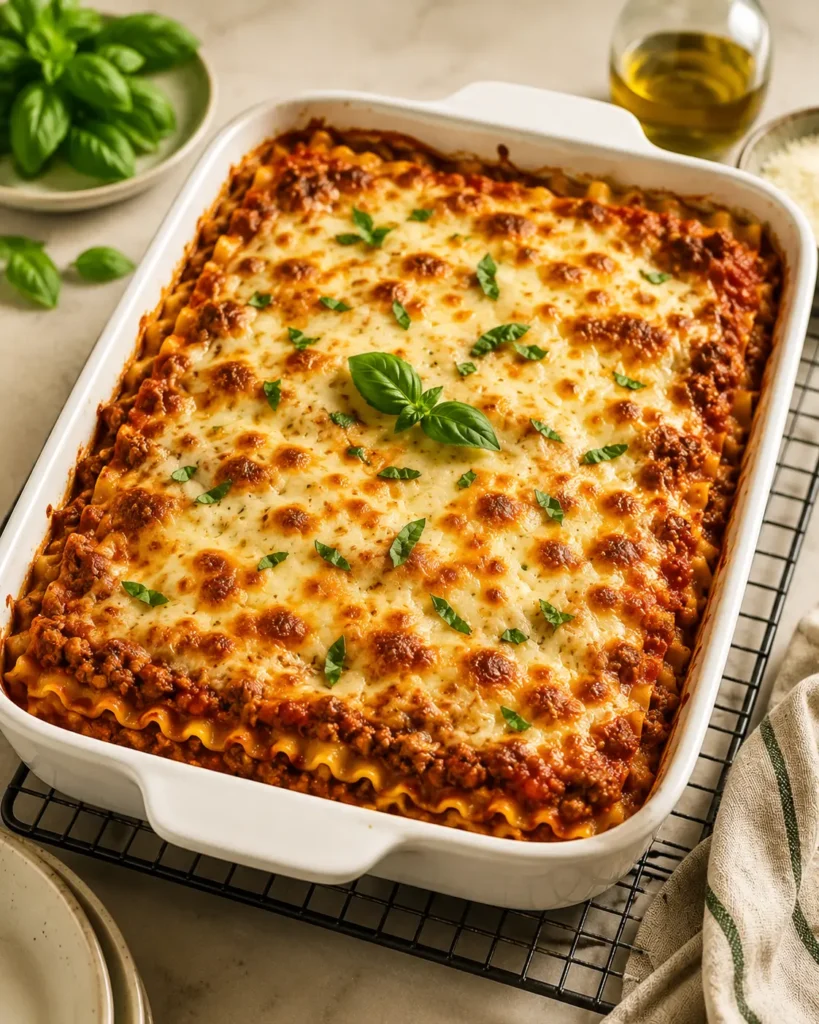
Beginner-Friendly Tip: do not overload each layer. Moderation gives you cleaner slices and a better balance of sauce, cheese, and pasta in every bite.
Texture and Flavor Notes
This lasagna should taste rich and familiar, not “healthy” in the flat, disappointing sense. The sauce should be savory and tomato-forward, the cheese layer should feel creamy without being heavy, and the mozzarella top should give you that golden baked finish that makes lasagna feel like a real event.
The texture should land somewhere between comforting and structured. You want soft noodles, but not mushy ones. You want enough sauce to keep the slices moist, but not so much that the layers slide apart. And you want the cheese layer to feel generous, but not like a thick dairy wall. When that balance is right, the whole thing feels much more satisfying than a typical weeknight pasta bake.
One of the best parts is how well the flavor develops after resting. Like many baked pasta dishes, it often tastes even better later, once the layers have had time to settle and the sauce has had a chance to fully soak into the structure.
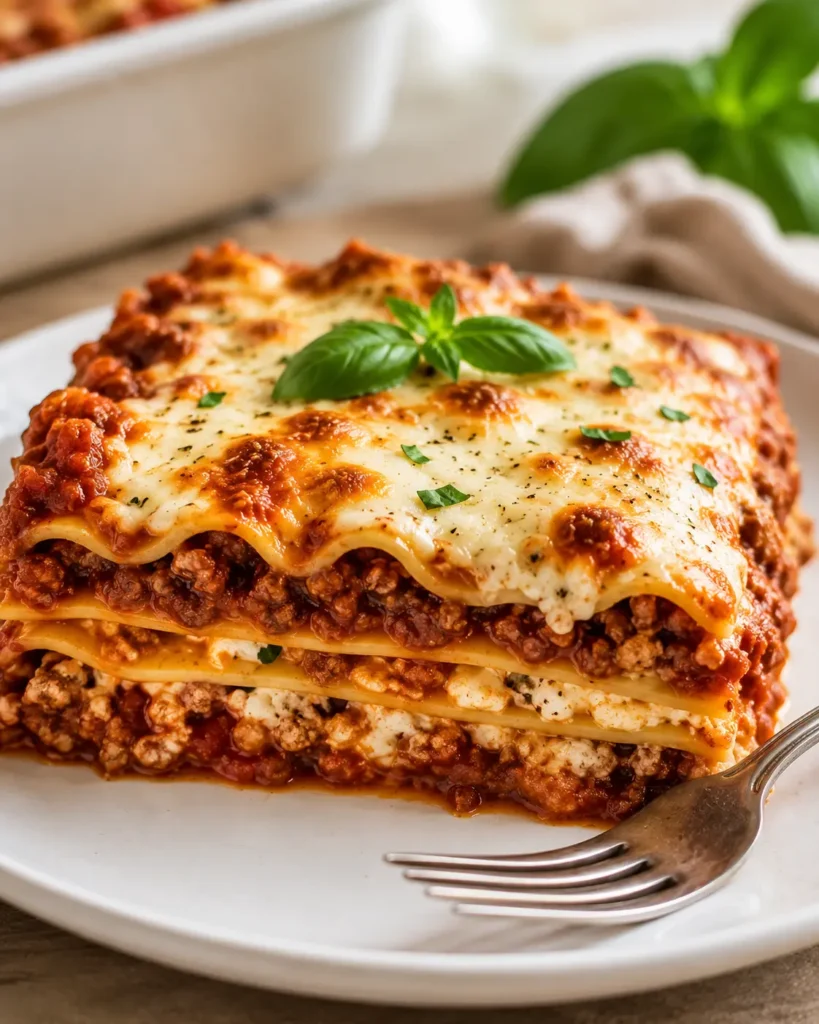
Best Ways to Serve It
This lasagna is substantial enough to stand on its own, but a few simple sides make it feel more complete. A crisp green salad with lemon vinaigrette works especially well because it cuts through the richness without competing with the dish. Roasted broccoli or green beans are also good choices if you want to keep the meal practical and weeknight-friendly.
For a more classic dinner setup, serve it with extra Parmesan, fresh basil, and a spoonful of the remaining sauce on the side. If some people at the table want bread, garlic bread or a crusty loaf works well, while the lasagna itself keeps the protein-heavy center of the meal.
Better-Than-Takeout Tip: serve the lasagna in thick squares and let everyone finish theirs with Parmesan, basil, or pepper flakes. Those simple finishing touches make a homemade pan feel much more like a real dinner.
Meal Prep, Storage, and Reheating
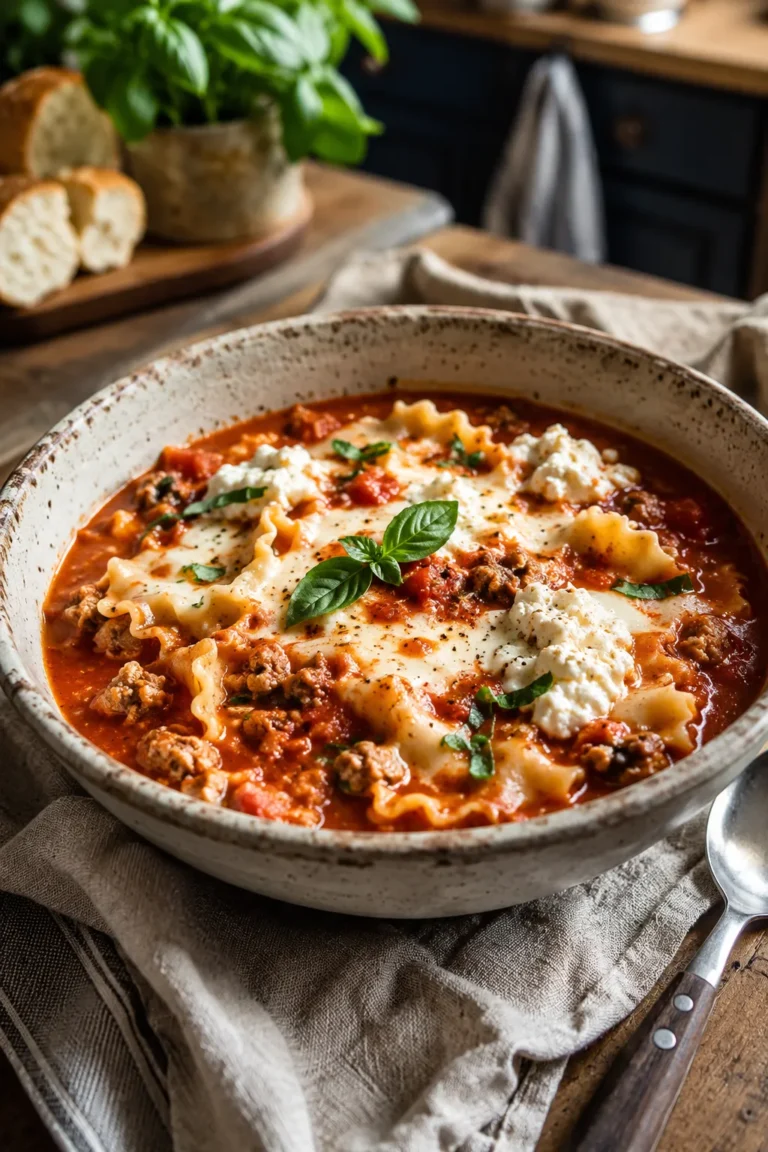
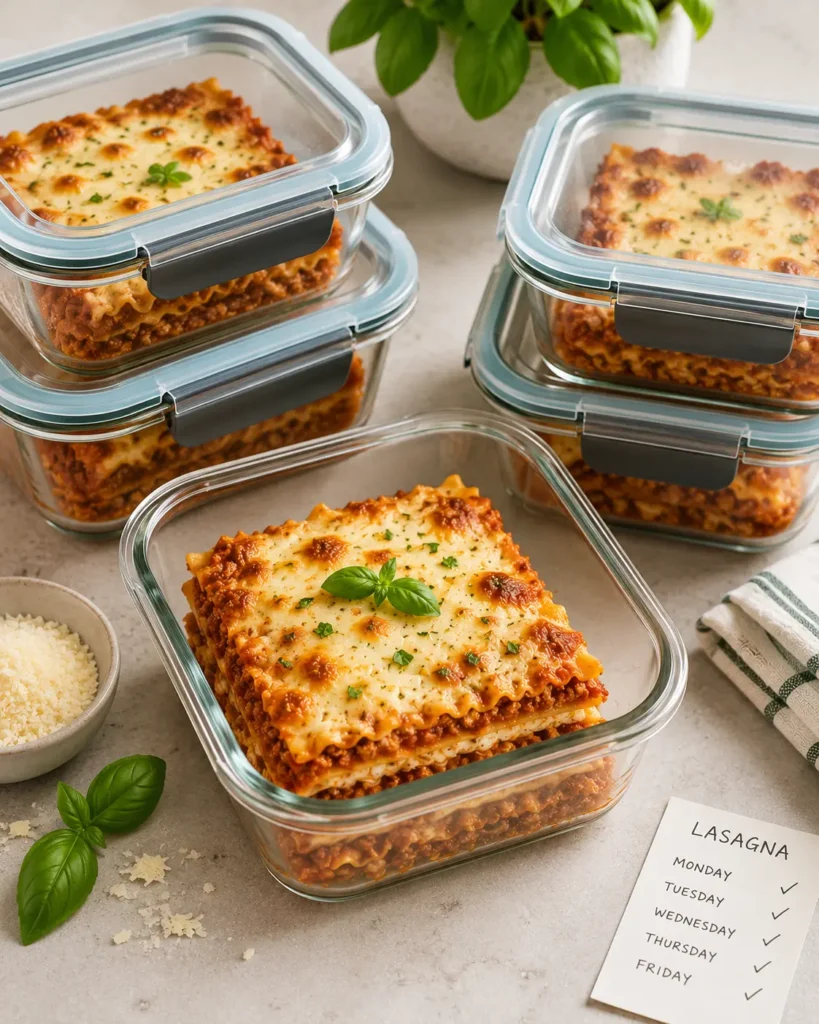
This is one of the best meal-prep comfort foods because it stores, freezes, and reheats so well. Keep cooled slices in airtight containers in the fridge for up to 4 days. The flavors usually deepen a bit overnight, which makes leftovers especially rewarding. For the same cozy flavor in a simpler one-pot meal, try my easy lasagna soup on busy weeknights.
For reheating, the microwave works for convenience, but the oven gives you a better top texture if you have the time. If the slice looks a little dry after refrigeration, spoon a little extra marinara over it before reheating.
The lasagna also freezes well. You can freeze the whole baked pan once cooled, or freeze individual slices for easier weekday use. That makes it especially useful when you want one cooking session to carry more than one meal.
Meal-Prep Note: let the lasagna cool before cutting and storing. Hot slices are looser, and cooler ones hold together much better in containers.
Easy Variations
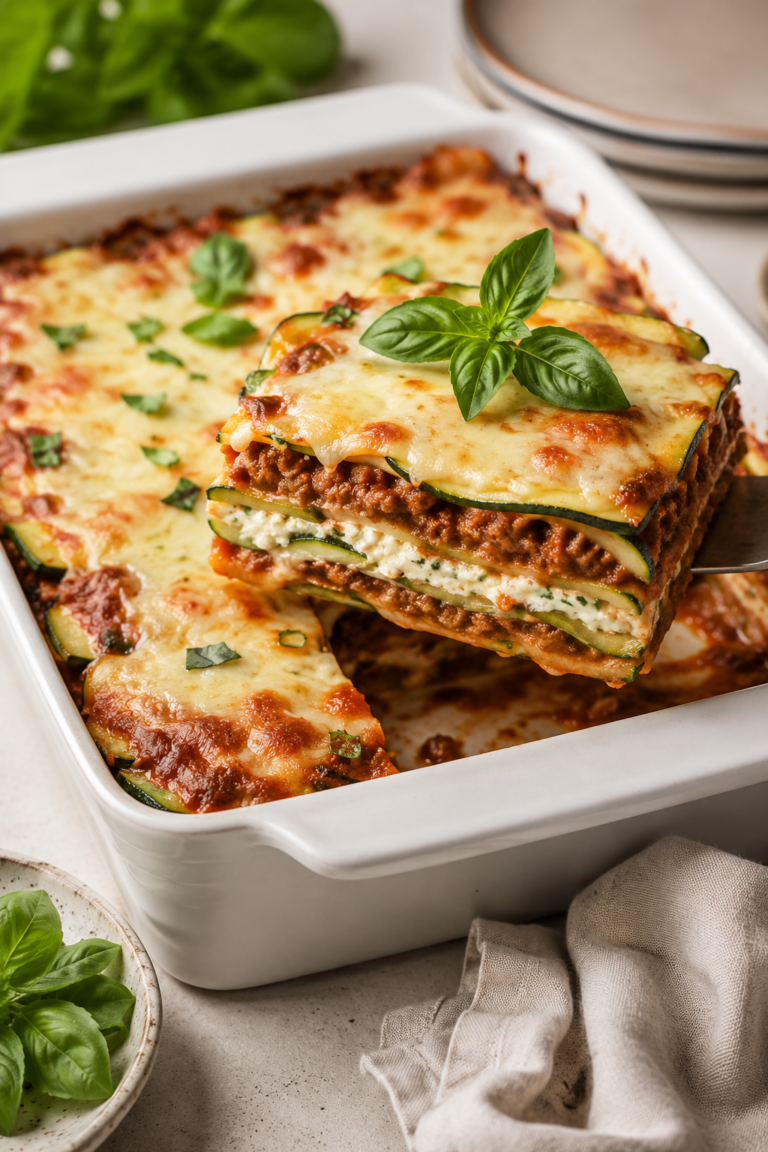
For a lower-carb option, my keto zucchini lasagna keeps the cheesy comfort-food flavor while replacing pasta with tender zucchini layers.
Ground Beef Version
Use lean ground beef instead of turkey for a richer, more classic lasagna flavor.
Half Turkey, Half Beef Version
Use a mix of both if you want a balance between lighter texture and deeper meaty flavor.
Cottage Cheese Version
Use full cottage cheese for the most protein-forward cheese layer.
More Veggie Version
Add chopped spinach, mushrooms, or zucchini to the sauce if you want to stretch the dish further without losing the lasagna feel.
Spicier Version
Add red pepper flakes to the sauce or use a spicy marinara if you want more warmth.
Common Mistakes to Avoid
Using thin sauce
A watery sauce weakens the whole structure and can make the lasagna sloppy.
Overloading the layers
Too much filling in each layer makes the bake harder to slice cleanly.
Skipping the rest time
Lasagna needs time to settle after baking. Cutting too soon makes the layers slide apart.
Using dry protein swaps that do not belong
This recipe works because the protein boost comes from ingredients that already fit lasagna naturally.
Overcooking the noodles
Soft noodles are good. Overcooked noodles turn mushy once they bake again in sauce.
Common Mistake: trying to make it “lighter” by skimping too hard on cheese. The dish still needs enough richness to feel like lasagna, or the whole thing starts tasting thin.
Lasagna at a Glance
Best for: family dinner, meal prep, freezer-friendly comfort food
Texture: layered, cheesy, hearty, sliceable
Protein driver: lean meat, cottage cheese or ricotta, egg, mozzarella
Flavor profile: savory tomato sauce, herbs, creamy cheese, browned mozzarella top
Best sides: crisp salad, roasted vegetables, basil, extra Parmesan
Storage: up to 4 days refrigerated, freezes well
Most useful tip: thicken the sauce properly and let the lasagna rest before slicing
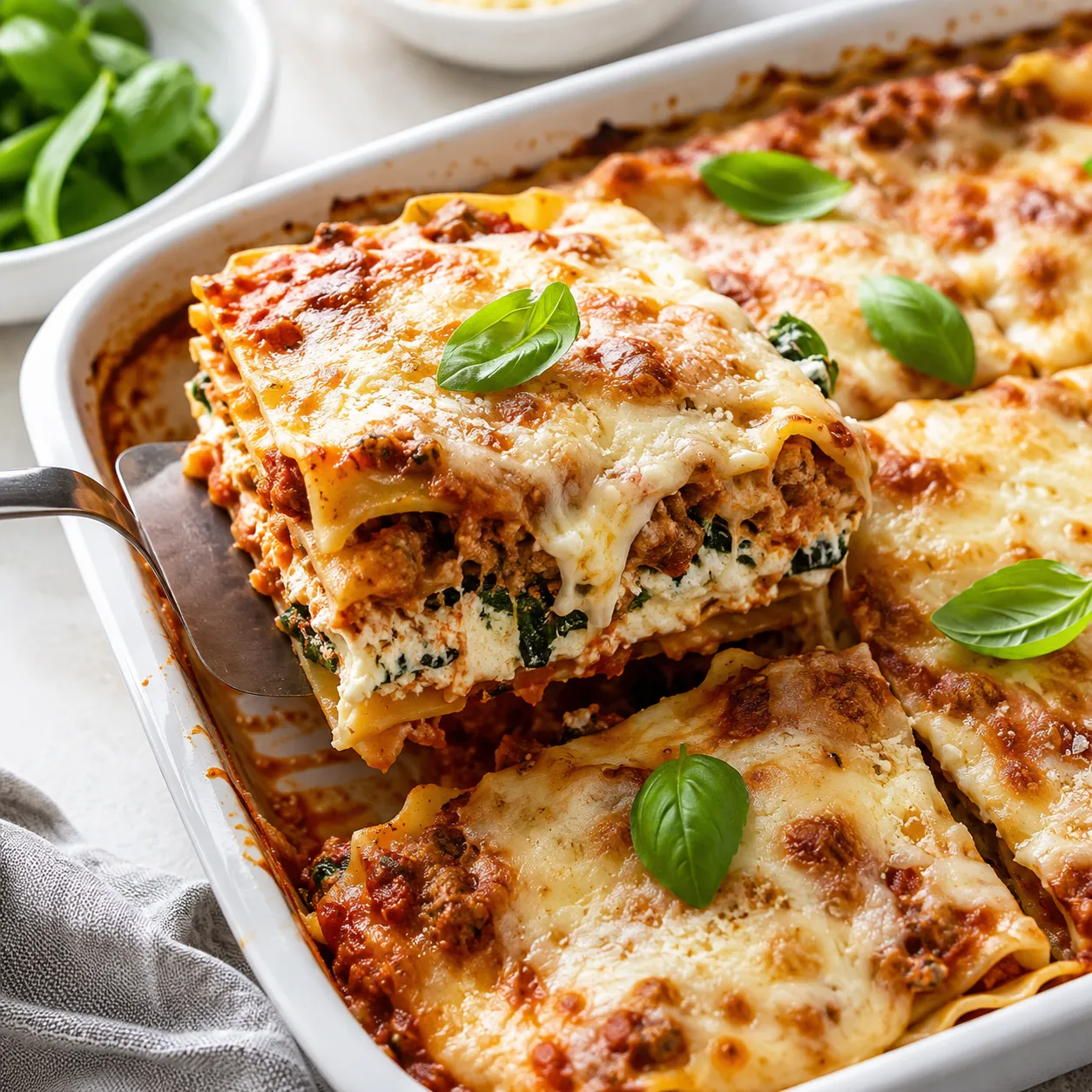
High-Protein Lasagna
Ingredients
Equipment
Method
- Preheat the oven to 375°F. Lightly grease a 9×13-inch baking dish.
- Cook the lasagna noodles until al dente according to package directions. Drain and set aside.
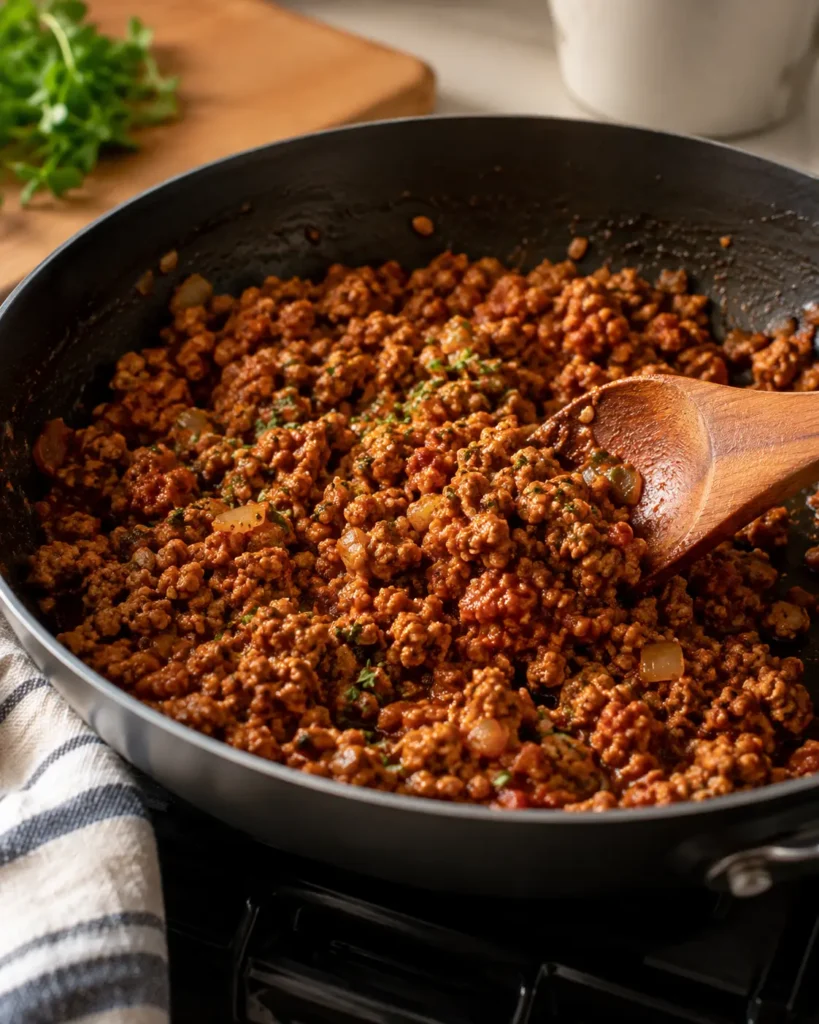
- Heat olive oil in a large skillet over medium heat. Add lean ground turkey and cook until browned and fully cooked.
- Add onion, garlic, Italian seasoning, salt, and black pepper. Cook for 3 to 4 minutes, until the onion softens.
- Stir in marinara sauce, tomato paste, and water or broth. Simmer for 8 to 10 minutes so the sauce thickens slightly.
- In a mixing bowl, combine cottage cheese, egg, parmesan, chopped spinach, Italian seasoning, and garlic powder.
- Spread a thin layer of meat sauce in the bottom of the baking dish.
- Add a layer of lasagna noodles, then spread on some cottage cheese filling, meat sauce, and mozzarella.
- Repeat the layers until the ingredients are used, finishing with meat sauce, mozzarella, and parmesan on top.
- Cover with foil and bake for 25 minutes.
- Remove the foil and bake for another 15 to 20 minutes, or until the cheese is melted, bubbly, and lightly browned.
- Let the lasagna rest for 15 minutes before slicing so the layers hold together.
Notes
u003cstrongu003eWhat makes lasagna high protein?u003c/strongu003e
Lasagna becomes more protein-forward when it uses a generous amount of lean meat, a protein-rich cheese layer like cottage cheese or ricotta with egg, and enough real dairy to make each slice more filling.
u003cstrongu003eCan I use cottage cheese instead of ricotta in high-protein lasagna?u003c/strongu003e
Yes. Cottage cheese works very well and is often the easiest way to increase protein while keeping the texture creamy and familiar.
u003cstrongu003eIs high-protein lasagna good for meal prep?u003c/strongu003e
Yes. It stores well, reheats well, and often tastes even better the next day once the layers have settled and the flavors have deepened.
u003cstrongu003eCan I freeze high-protein lasagna?u003c/strongu003e
Absolutely. You can freeze the whole baked dish or individual slices. It is one of the most freezer-friendly high-protein comfort meals.
u003cstrongu003eWhat meat is best for high-protein lasagna?u003c/strongu003e
Lean ground turkey is a great option if you want a lighter feel, while lean ground beef gives a more classic lasagna flavor. A mix of both also works well.
u003cstrongu003eWhy does my lasagna fall apart when I slice it?u003c/strongu003e
That usually happens because the sauce is too thin, the layers are overloaded, or the lasagna did not rest long enough after baking.
Recipe Notes
Because this recipe uses cooked meat, dairy, and layered pasta, cool leftovers before storing and keep them chilled once portioned. That helps the texture stay cleaner and reheating more consistent later.
It is also worth paying attention to sauce thickness. A thicker sauce is one of the easiest ways to make the final dish feel more restaurant-style and less like a loose casserole. Small details like that are what make a meal-prep lasagna still feel worth eating a second or third time.
This high protein lasagna is a practical comfort-food dinner when you want something cheesy, filling, and easy to portion for the week. Let it rest before slicing, keep the sauce thick, and it will hold together much better for meal prep.